

Teacher learning as a mediator of teaching quality at primary school in Khyber Pakhtunkhwa
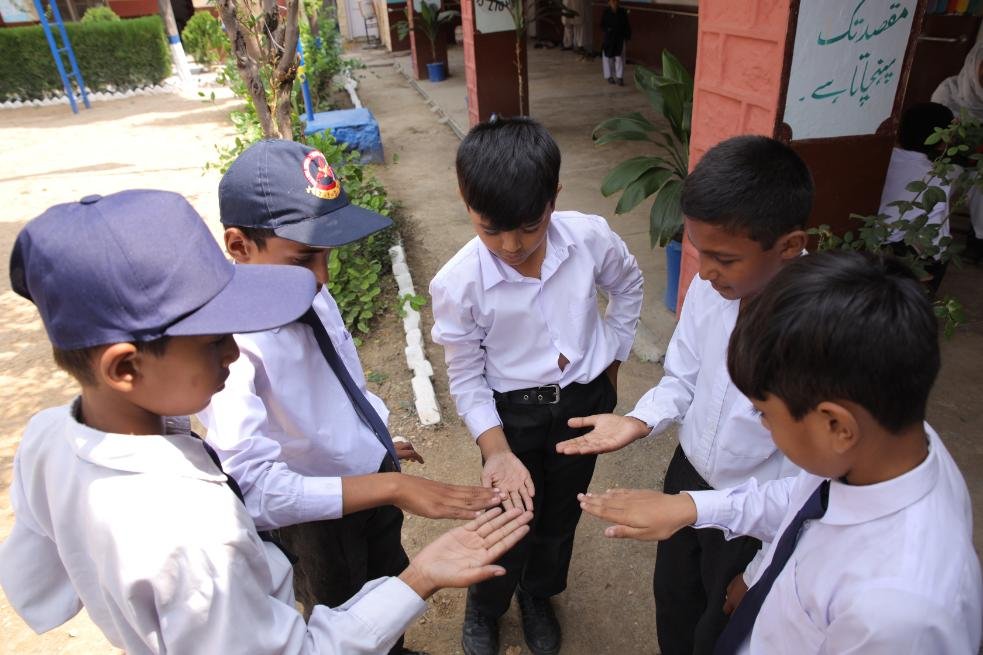
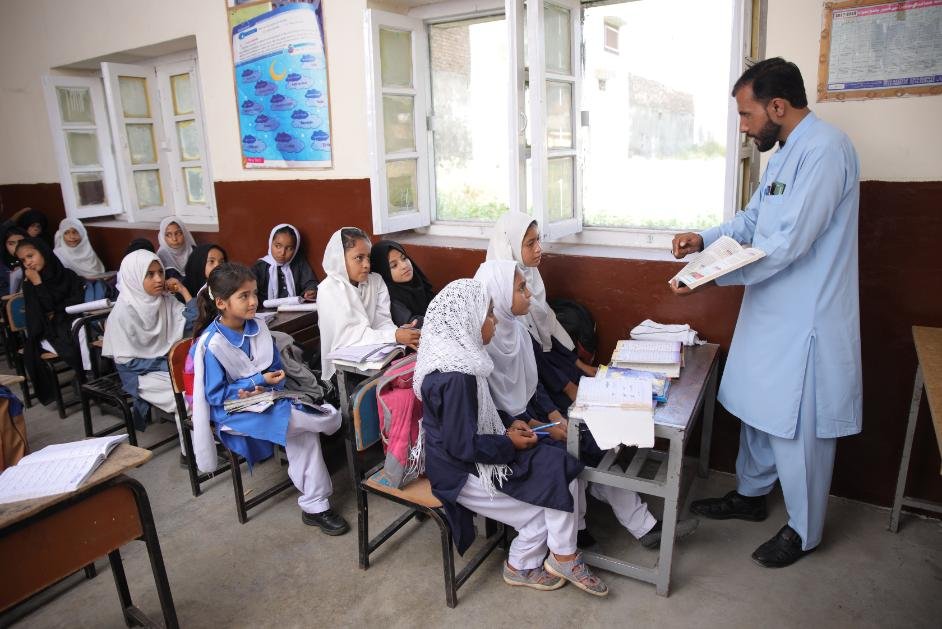
The proposed study investigates how teaching quality is shaped by teacher ‘learning’ (also known as teacher education). Instead of treating ‘teaching quality’ as just good instruction, the project includes non-teaching aspects of a teacher’s professional practice that help teach better, like classroom management or student socio-emotional support. The study shall help address a significant gap […]
Teacher and community perspectives: missing links in language planning and policy in multilingual settings
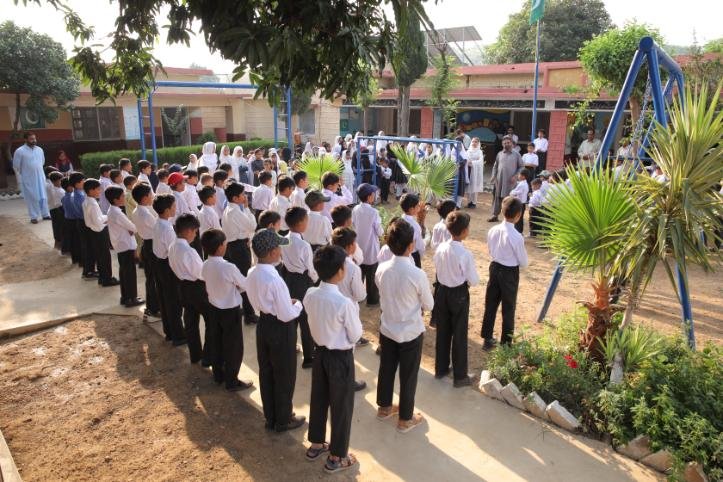
The study investigates how parents, teachers, and community members experience and perceive current language policies, with a particular focus on the use of mother tongue(s) in education. It seeks to inform policy reform by grounding recommendations in the lived realities of stakeholders at the grassroots level. It examines the school and home languages gap’s impact […]
Schooling strategies & climate change: A coherence analysis of local policy & community adaptations
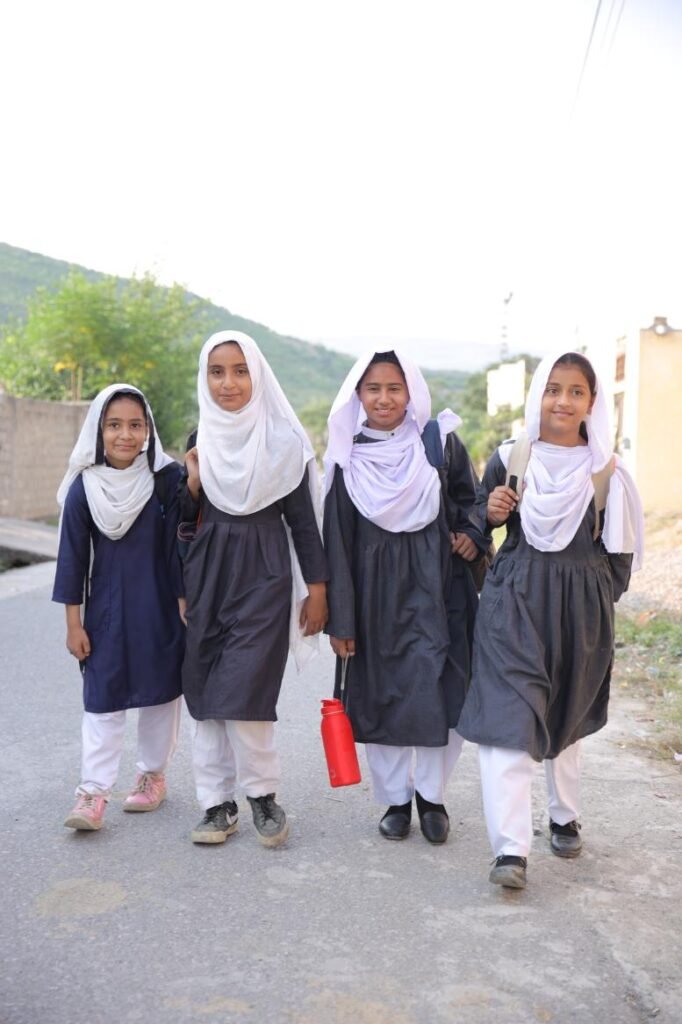
The study aims to better understand where climate impact on education is most acute and the extent to which local governments and communities in Punjab and Sindh are aligned in how they respond. Combining spatial analysis and field-based qualitative research, the study investigates how climate change impacts children’s schooling, and how best to mitigate these […]
The Equity Equation Project: Predictive Modeling of Policy Impact on School Enrollment
Employing a mixed methods approach, this project seeks to revolutionise education planning in Punjab by combining cutting-edge technology with on-the-ground realities through a high-fidelity computational model. The platform will provide a virtual model of the Pakistani education system, where policymakers can test new policies and see their impact on student access, creating a library of […]