

Understanding ways in which school leadership styles shape school cultures and student outcomes.
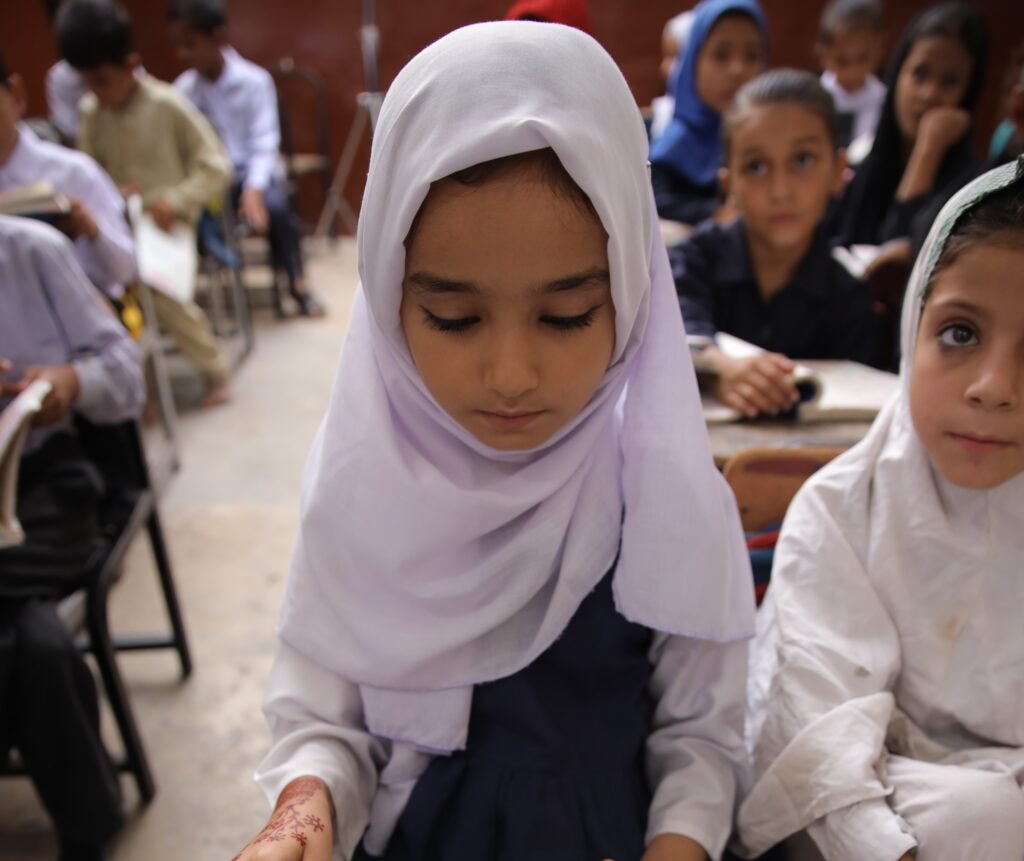
The research investigates school leadership practices from the perspectives of the school principals, students and their parents in selected government secondary schools for boys and girls, which have shown to meet markers of ‘good’ schools. Its overarching objectives are to gain contextually rich understanding of leadership styles in Pakistan, and their impact on school cultures […]
Scaling Impact: Large-Scale Human Capital Interventions for Low-Income Children in Punjab
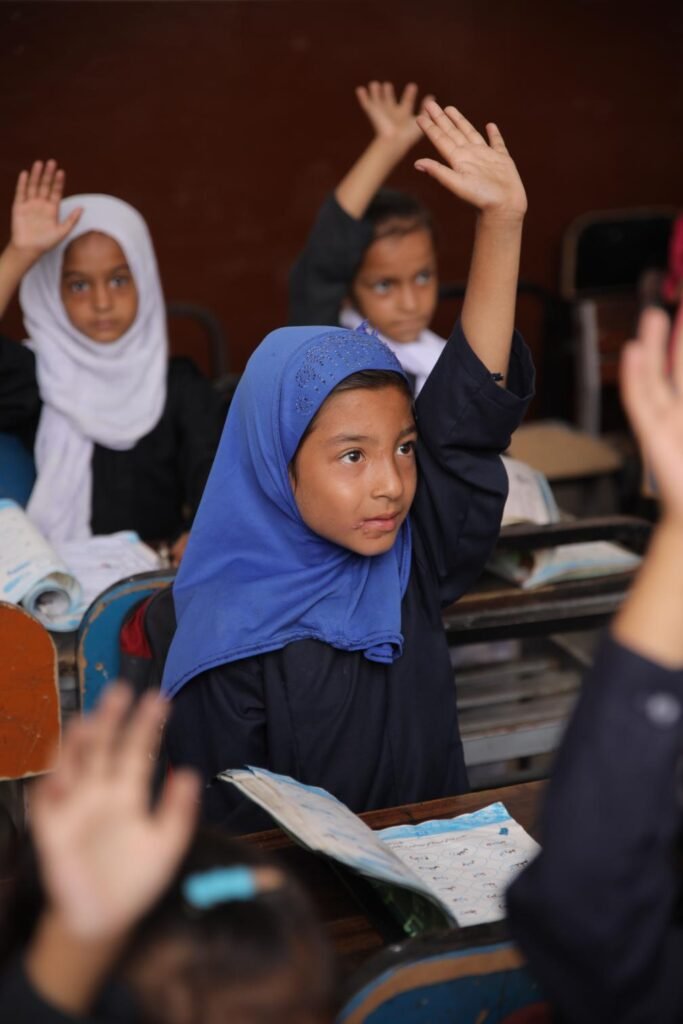
The quasi-experimental study aims at investigating a large-scale, multi-pronged Early Childhood Education programme in public schools spread across 11 districts in South Punjab. The intervention included, among other things, providing ECE training to teachers, providing the schools with ECE caregivers, making available material for teaching and learning, and upgrading ECE classrooms. By comparing the effects […]
Uneven State Capacity: Exploring the Political Economy of SubNational Variation in Education Provision
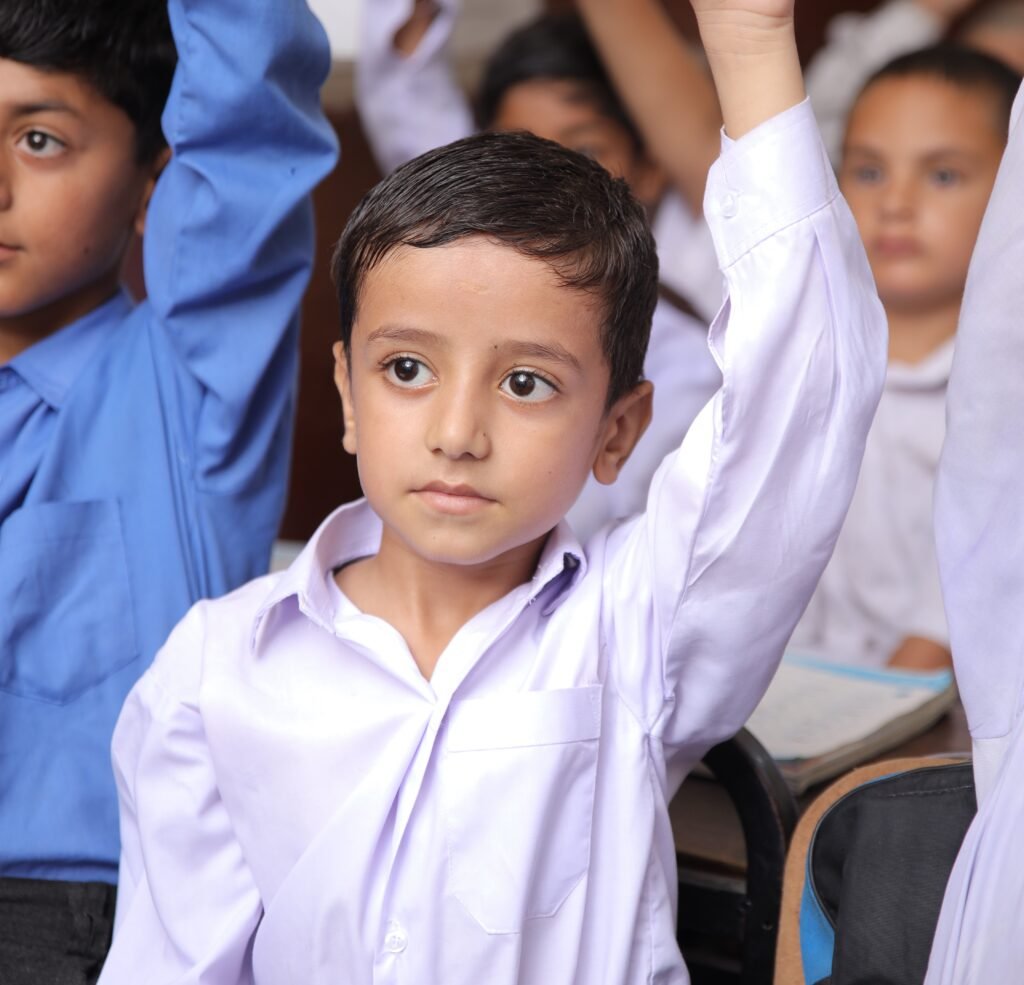
This research investigates the political economy drivers of spatial inequalities in education outcomes in Balochistan, with a specific focus on gender outcomes. It employs a political settlement analysis (PSA) framework to examine inter-district and intra-district variations in state capacity for education provision. The study utilizes a multi-level comparative design with a mixed-methods approach in five […]
Teacher learning as a mediator of teaching quality at primary school in Khyber Pakhtunkhwa
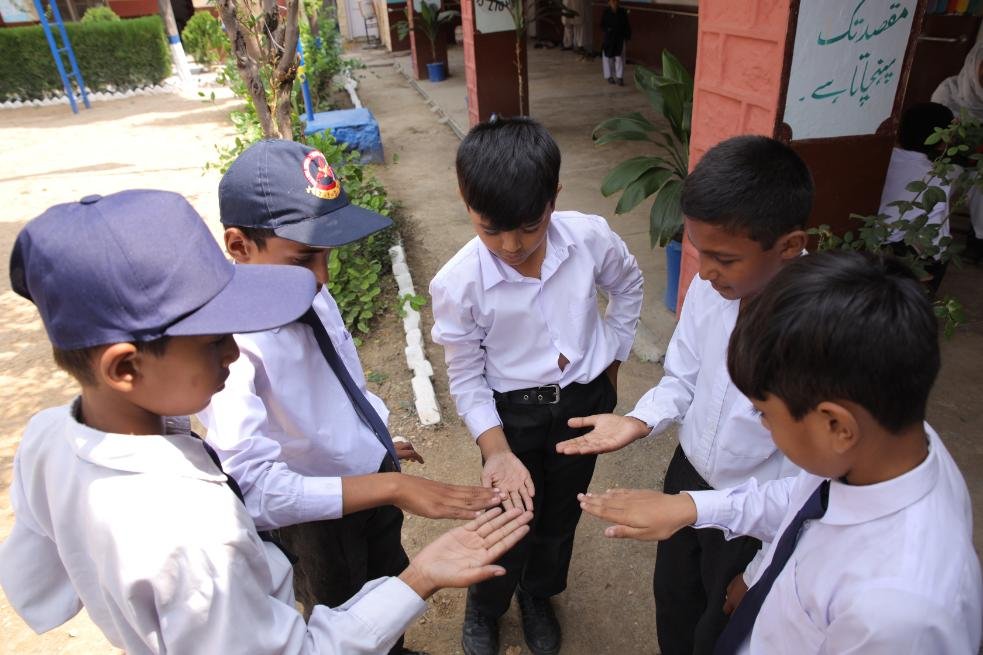
The proposed study investigates how teaching quality is shaped by teacher ‘learning’ (also known as teacher education). Instead of treating ‘teaching quality’ as just good instruction, the project includes non-teaching aspects of a teacher’s professional practice that help teach better, like classroom management or student socio-emotional support. The study shall help address a significant gap […]
Teacher and community perspectives: missing links in language planning and policy in multilingual settings
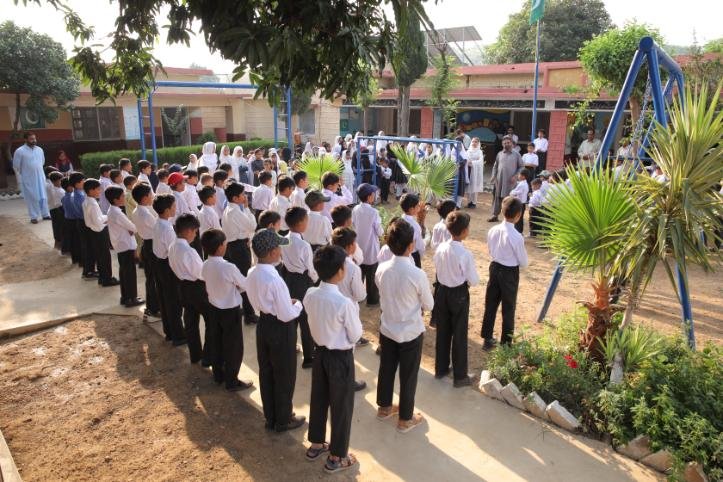
The study investigates how parents, teachers, and community members experience and perceive current language policies, with a particular focus on the use of mother tongue(s) in education. It seeks to inform policy reform by grounding recommendations in the lived realities of stakeholders at the grassroots level. It examines the school and home languages gap’s impact […]
Schooling strategies & climate change: A coherence analysis of local policy & community adaptations
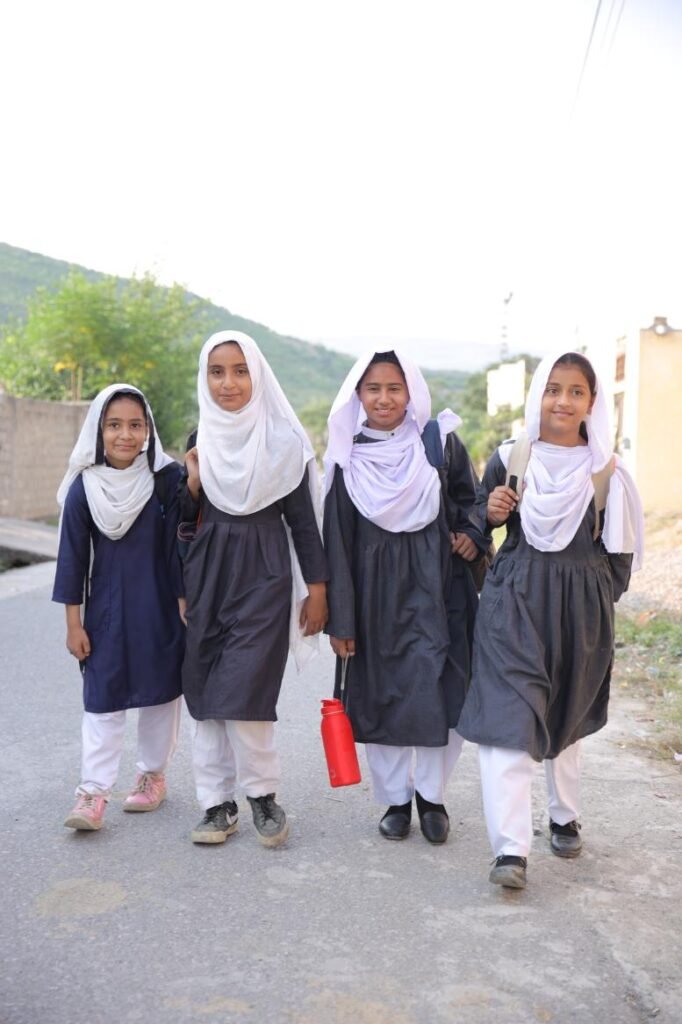
The study aims to better understand where climate impact on education is most acute and the extent to which local governments and communities in Punjab and Sindh are aligned in how they respond. Combining spatial analysis and field-based qualitative research, the study investigates how climate change impacts children’s schooling, and how best to mitigate these […]
The Equity Equation Project: Predictive Modeling of Policy Impact on School Enrollment
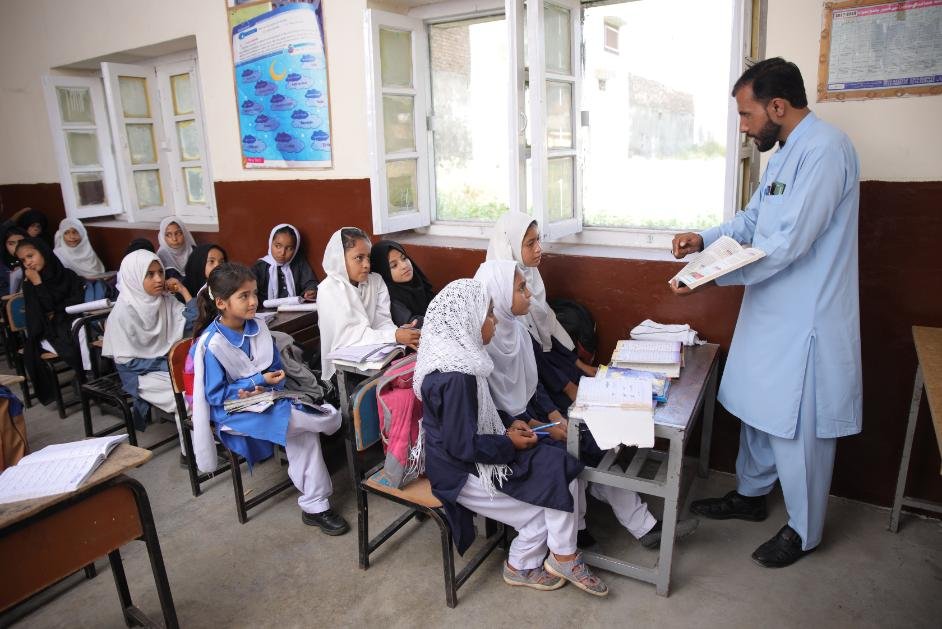
Employing a mixed methods approach, this project seeks to revolutionise education planning in Punjab by combining cutting-edge technology with on-the-ground realities through a high-fidelity computational model. The platform will provide a virtual model of the Pakistani education system, where policymakers can test new policies and see their impact on student access, creating a library of […]
Exploring the Transition to Student Learning Outcomes Based Curriculum and Assessments in Khyber Pakhtunkhwa and Islamabad Capital Territory: Policy Frameworks and Teachers Implementation Experience
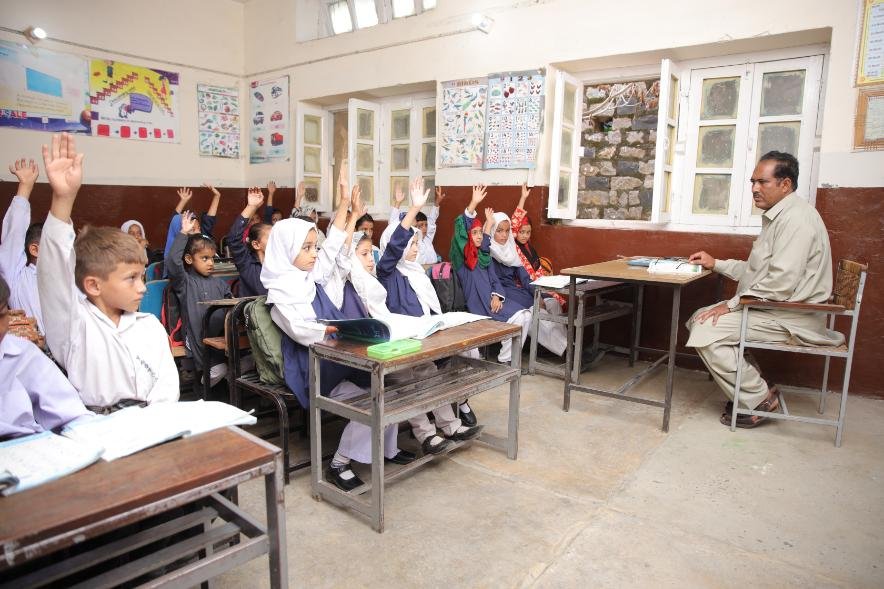
This study looks at how the SLO reform has been developed, planned, and used in two parts of Pakistan—Khyber Pakhtunkhwa (KP) and Islamabad Capital Territory (ICT). It follows the journey of the SLO policy from national planning to how teachers experience it in the classroom. By focusing on teachers’ voices, this study aims to better […]
The Teacher e-Transfer Policy in Punjab: A Study of its Impact on Accountability and Education Outcomes
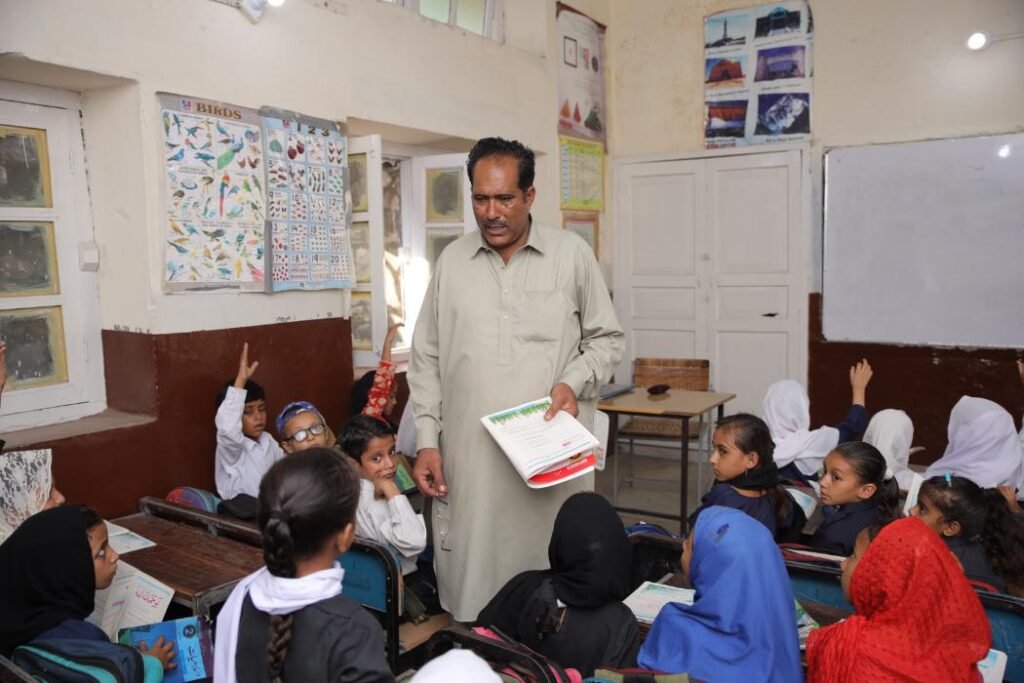
The research explores how Punjab’s merit based, online teacher transfer system—introduced in 2019 to reduce political interference—affects transparency, accountability, and education outcomes. Using a combination of qualitative and quantitative methods, the study analyses large administrative datasets in conjunction with field interviews of teachers, head teachers, and officials across selected districts to triangulate statistical trends with […]
Climate change hazards, risks, and vulnerabilities assessment in schools in Pakistan: piloting alocalised participatory assessment
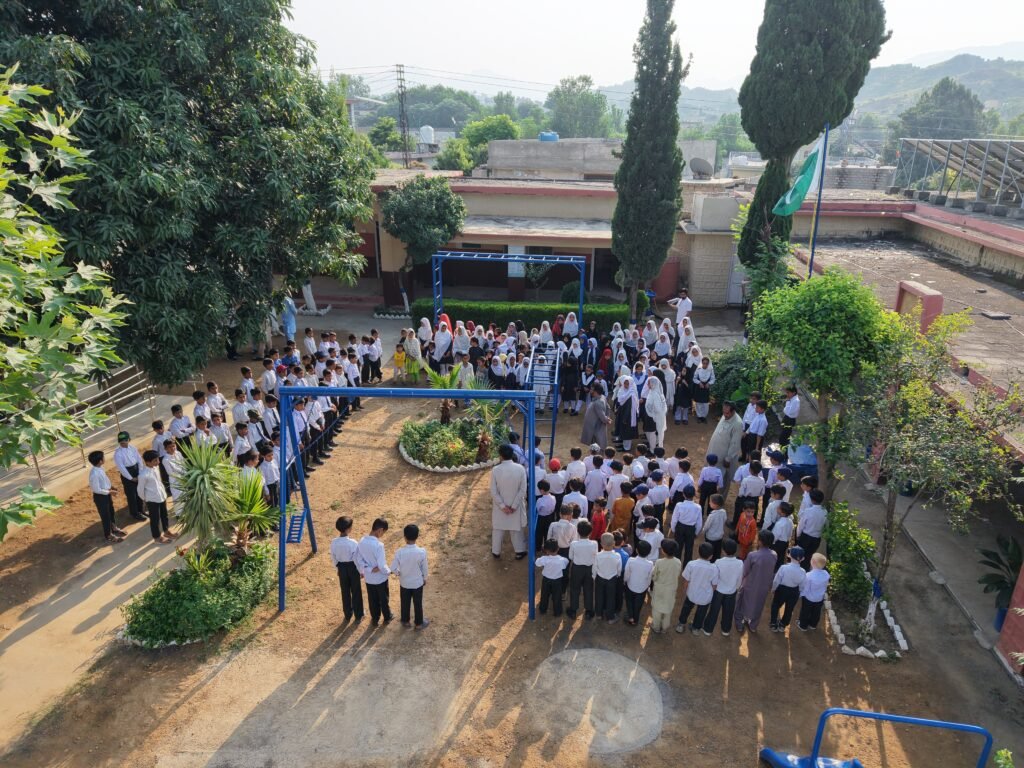
The study aims at collaboratively contextualizing UNESCO’s and Viet Nam Ministry of Education and Training’s ‘Assessment and preparedness toolkit’ into Pakistan’s context and will pilot the newly adapted ‘Climate Risk School Assessment Tool’ for identification and mapping of hazards inside and outside school communities. More broadly, the study will generate empirical evidence on local hazards, […]