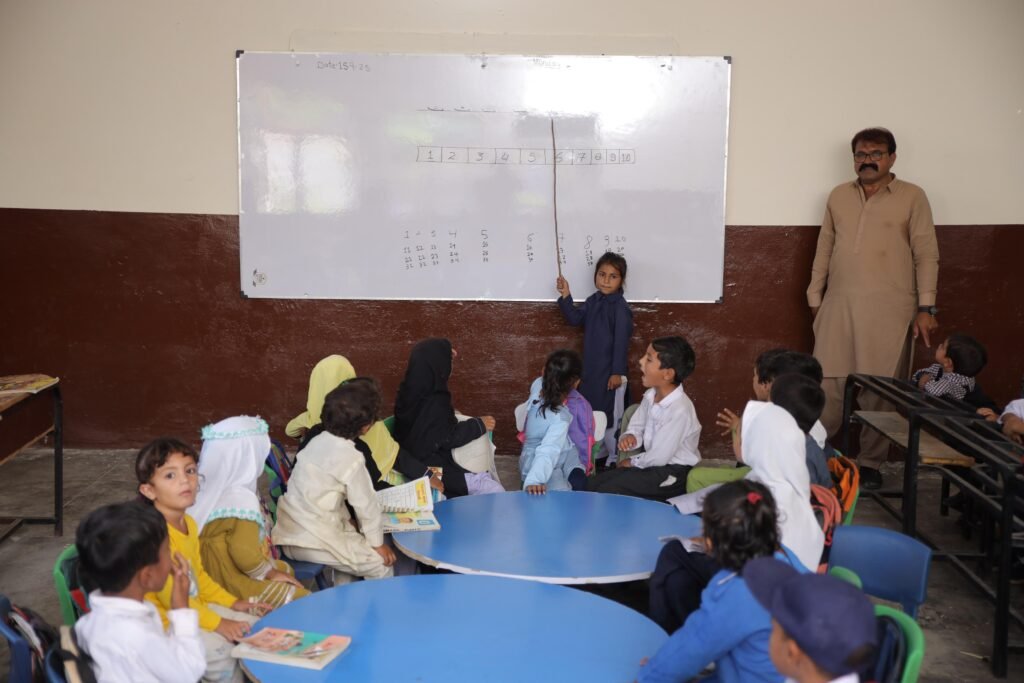
This project investigates how citizens in rural Punjab, Pakistan, can hold government representatives accountable to improve public schools. Through a randomized control trial, the project introduces community-based mobilization interventions to create accountability channels between citizens and policy actors to improve public schooling in Pakistan. These interventions vary by: (i) policy actor type – whether citizens approach a bureaucrat directly or exert pressure through a political route and (ii) citizen gender – whether the citizens participating are women or men. In addition, for each, the study also includes a variation in which citizens’ interaction with the policy actor is more directly supported and facilitated by an NGO. It examines impacts on citizen political awareness and action, policy actor response, and public school/educational outcomes.