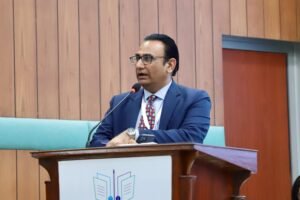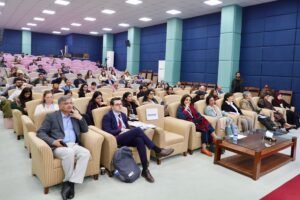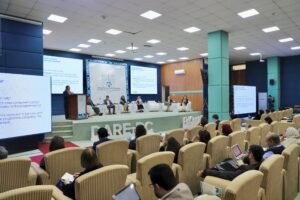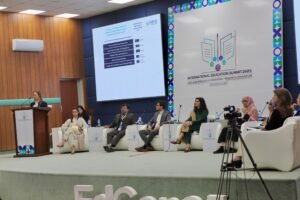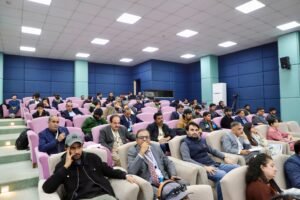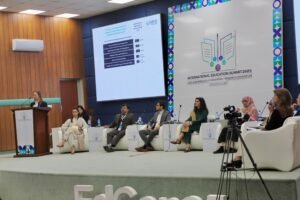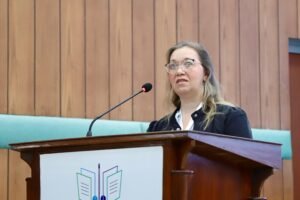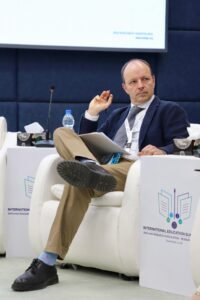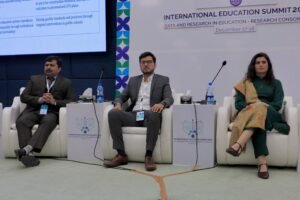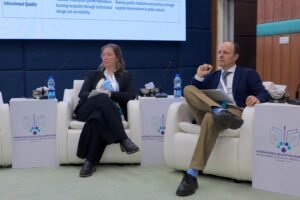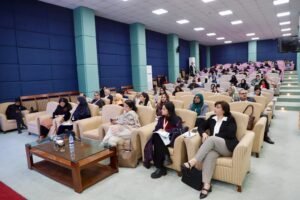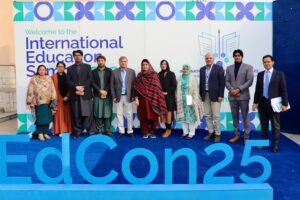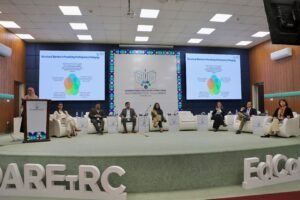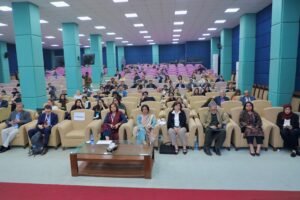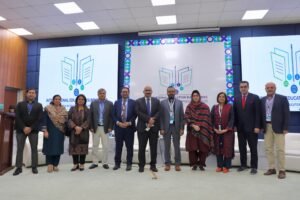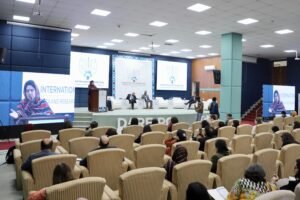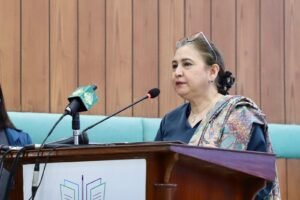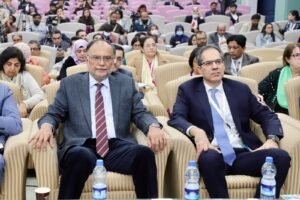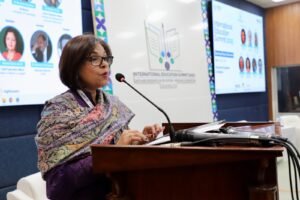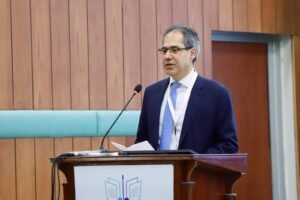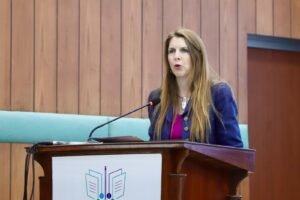

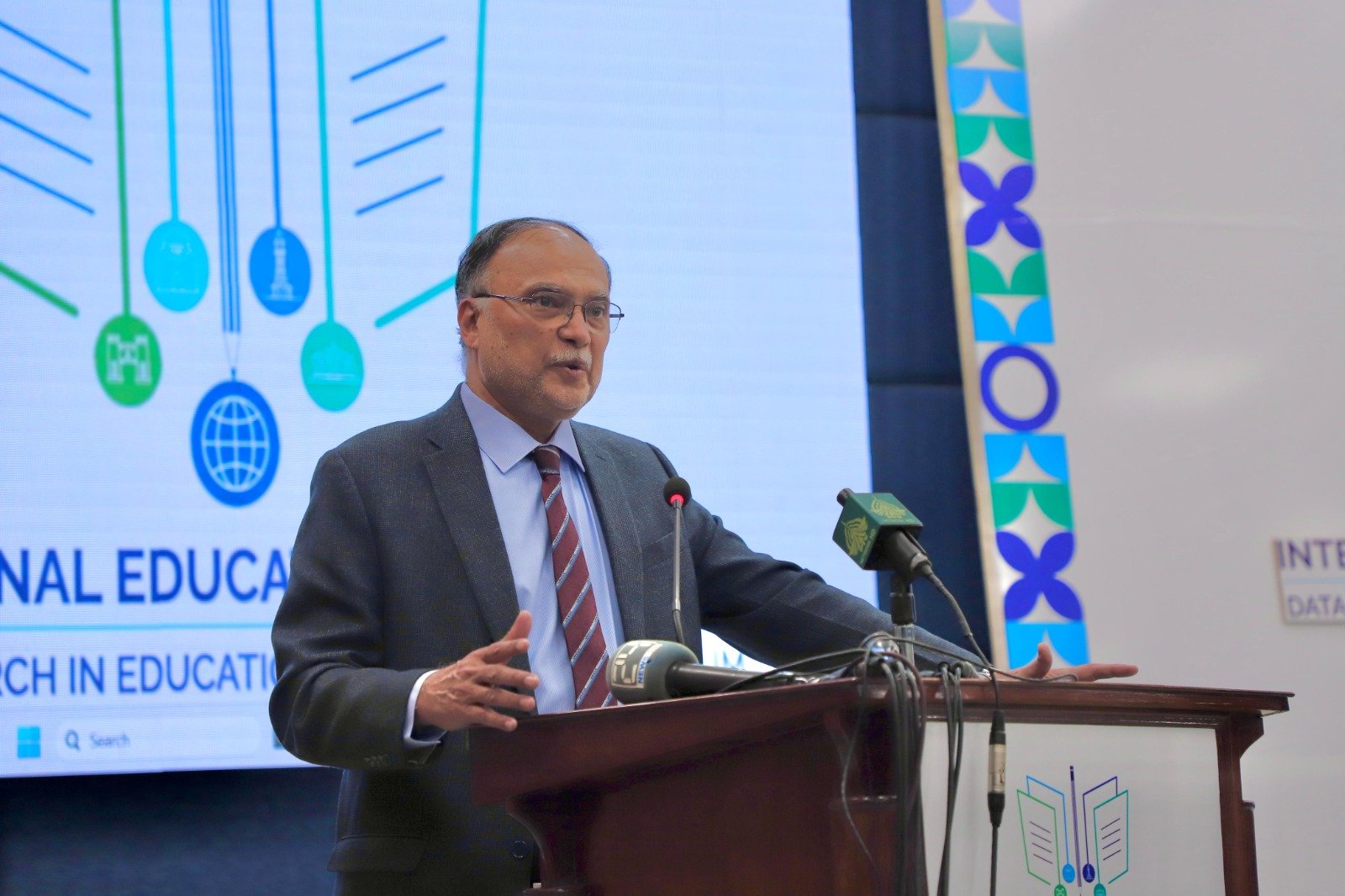
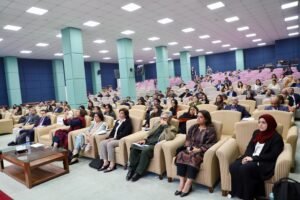
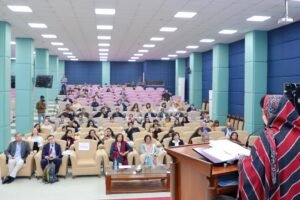
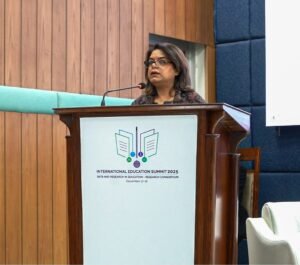
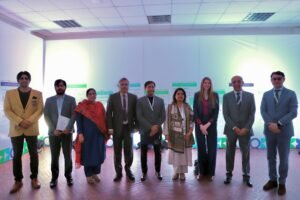
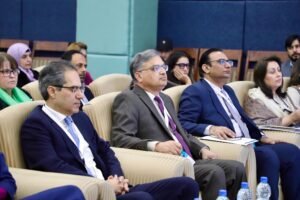
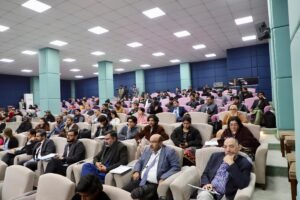
Day 01 December 17, 2025: The Data and Research in Education – Research Consortium (DARE-RC) has called for advancing evidence-based education reform, bringing together policymakers, international researchers, and development partners to share latest education research and insights in Pakistan. The International Education Summit, held at Allama Iqbal Open University (AIOU), provided an opportunity to reflect on the future of education in Pakistan and build a dynamic community of practice that advances evidence-informed policy and practice for inclusive learning for all.
Speaking on the occasion, Ahsan Iqbal, Federal Minister for Planning and Development underlined the importance of using evidence for policy decisions and actions. He said, “The use of data and research in education policy-making is crucial for Pakistan to achieve its development goals. We need to prioritize evidence-based decision-making to ensure that our education system is responsive to the needs of our children and youth.”
British High Commissioner to Pakistan, Jane Marriott CMG OBE, said: “Pakistan’s children are at real risk of only reaching 41% of living a full life to reach their maximum potential . Only effective teaching, strong schooling, and evidence-based decisions can given children, particularly the most marginalised, the best chance to learn and succeed.”
Abdur Rauf Khan, Country Director, Oxford Policy Management, Pakistan, said, “DARE-RC is a unique initiative that brings together researchers, policymakers, and practitioners to share knowledge and experiences. We are proud to be part of this consortium and look forward to continuing our work together to improve education outcomes in Pakistan.”
DARE-RC Team Lead Dr Ehtasham Anwar noted, “The summit has provided a valuable platform for stakeholders to engage in discussions on critical issues affecting education in Pakistan. We are committed to collaborating with the government and other partners to use evidence to inform policy and practice.”
Dr Nasir Mahmood, Vice Chancellor, AIOU, emphasised, “Education is the key to unlocking Pakistan’s potential, and we must work together to ensure that our education system is inclusive, equitable, and of high quality. We are proud of our partnership with DARE-RC.”
The day 1 sessions featured a keynote by Professor Kamal Munir of the University of Cambridge highlighting the equity imperative in education reform. High-level plenary and panel discussions brought together policymakers, researchers, and development partners, including international experts Professor Ricardo Sabates (University of Cambridge), Dr Amer Hasan and Dr Saher Asad (World Bank), Aurelia Ardito (UNICEF), Dr Julia de Kadt (Sightsavers), and Heather Kayton (What Works Hub for Global Education).
The participants explored critical themes such as climate-resilient education systems, system-wide inclusion, and the use of data to strengthen education delivery, complemented by knowledge-sharing workshops and parallel sessions on intersecting exclusions and access.
First day of the summit concluded with key takeaways and next steps on building inclusive and resilient education systems, reaffirming academia and policy makers’ commitment to strengthening evidence-based education reform in Pakistan.
The DARE-RC program is being implemented by Oxford Policy Management (OPM) in partnership with the Aga Khan University Institute for Educational Development (AKU-IED), and Sightsavers, and is funded by the UK Foreign, Commonwealth and Development Office (FCDO).
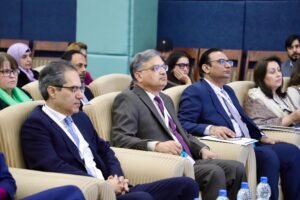
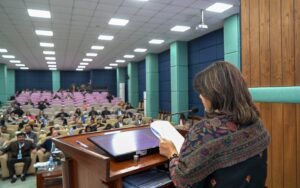
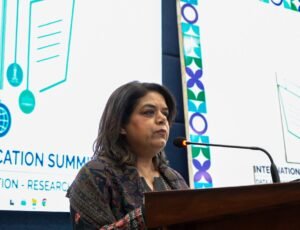
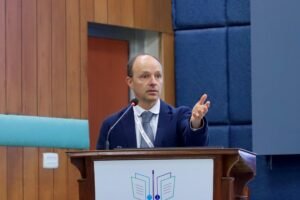
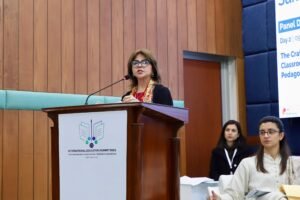
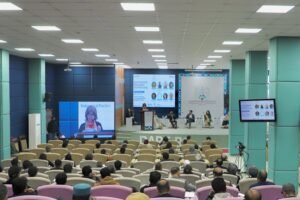
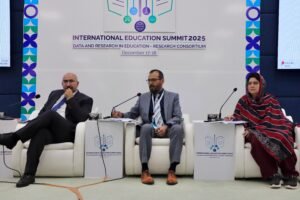
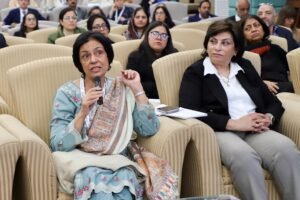
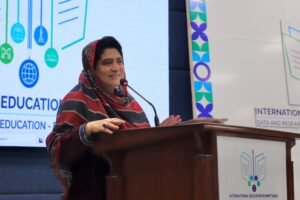
Day 02 December 18, 2025: The second and concluding day of the DARE-RC International Education Summit 2025 focused on translating research evidence into effective teaching practices, accountable governance, and system-wide education reform in Pakistan. Senior policymakers, academic leaders, and international experts came together during the academic sessions to explore how using evidence can improve classroom teaching, support teacher development, and enhance large-scale education delivery.
The second day comprised nine structured sessions, including a spotlight address, three thematic panel discussions, four parallel roundtable dialogues, and a closing plenary. The summit concluded with closing remarks by Sam Waldock, Development Director at the British High Commission, who reaffirmed the importance of sustained collaboration between government, academia, and international partners to translate research into meaningful system-wide impact.
The Day 2 opening reflections by Saima Anwer, Programme Director DARE-RC, emphasised the urgency of moving “from evidence to action,” followed by a spotlight session by Dr Irfan Muzaffar from LUMS on reconnecting classroom realities with system-level reform. Panel discussions throughout the day featured leading international scholars including Dr Ricardo Sabates (University of Cambridge), Dr Aliya Khalid (University of Oxford), and Heather Kayton (What Works Hub for Global Education), alongside senior government officials from all provinces of Pakistan.
The sessions focused on evidence-based teaching practices, teacher recruitment and professionalisation, accountability and performance monitoring, and system-level governance reforms. Interactive roundtables in workshop style enabled deeper engagement on inclusion, climate resilience, teacher professional standards, and inter-provincial governance.
The summit also featured over 30 research projects commissioned by DARE-RC, covering four major themes: inclusion, intersectionality, and social justice in education; effective teaching for quality learning; building resilient education systems; and education governance and management.
The two-day education summit was inaugurated with a keynote address by Professor Kamal Munir, Pro Vice-Chancellor, University of Cambridge, who set the agenda for advancing equity-driven, evidence-informed education reform in Pakistan.
The closing plenary focused on building a national culture of research, chaired by Dr Farid Panjwani, AKU, bringing together Vice Chancellor, AIOU and deans of education from various Pakistani varsities. The concluding session reinforced the role of universities in shaping policy-relevant research and future education leadership.