
Latest Events
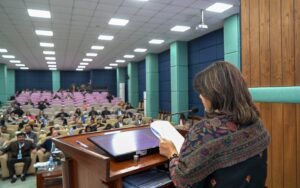
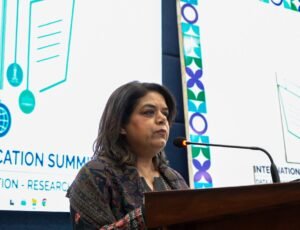
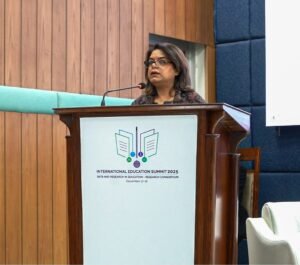
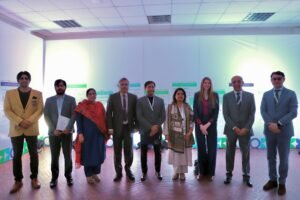
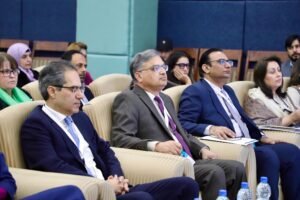
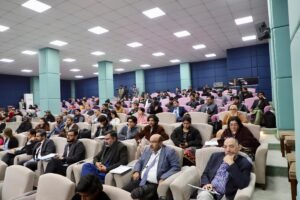
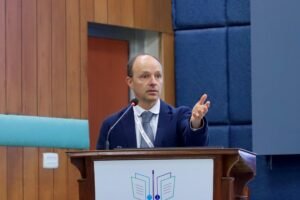
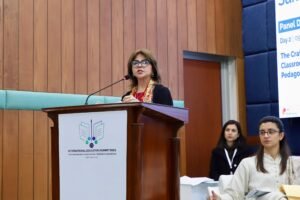
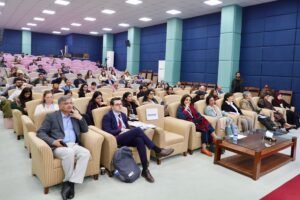
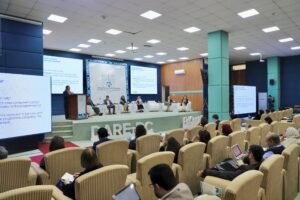
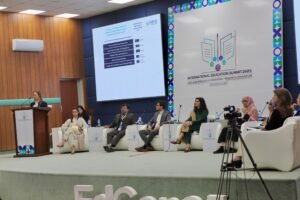
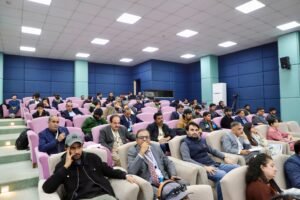
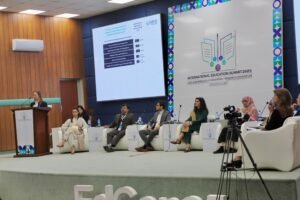
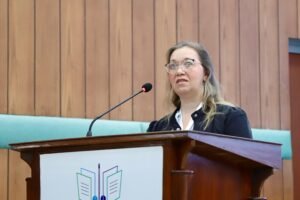
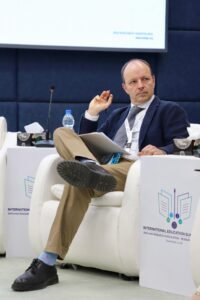
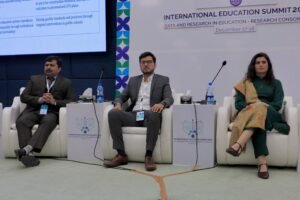
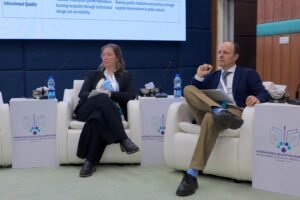
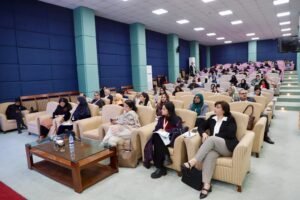
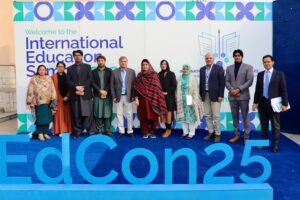
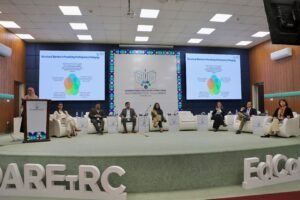
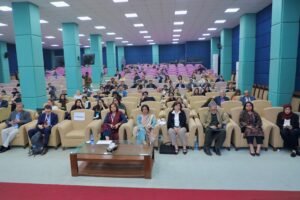
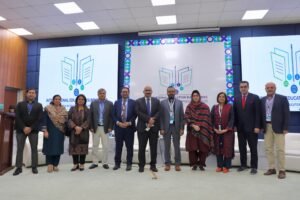
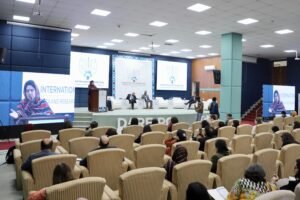
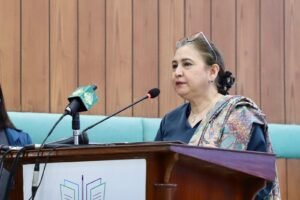
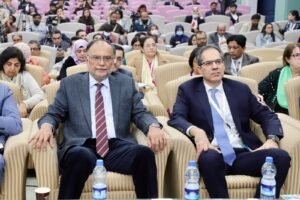
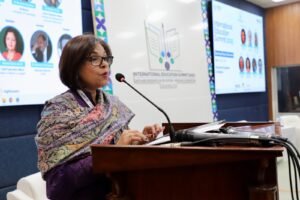
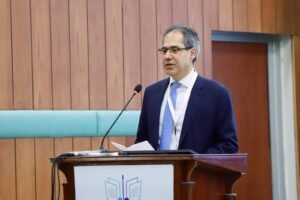
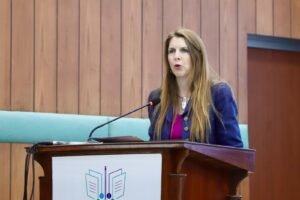
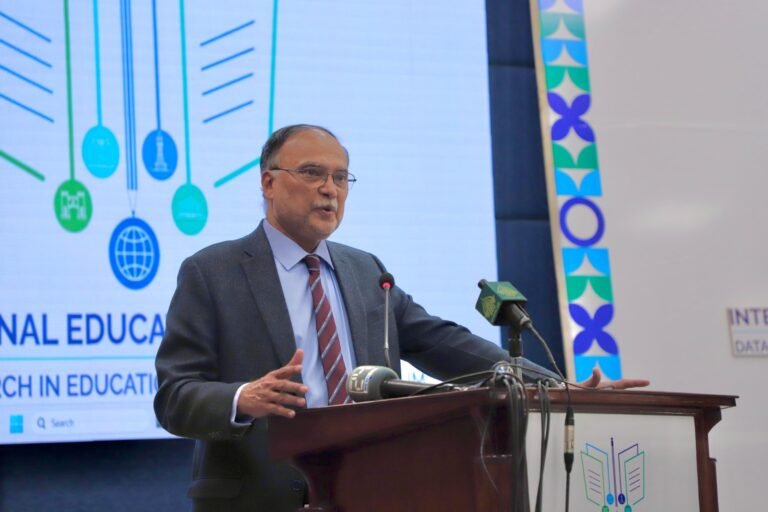
Day 01 December 17, 2025: The Data and Research in Education – Research Consortium (DARE-RC) has called for advancing evidence-based education reform, bringing together policymakers, international researchers, and development partners to share latest education research and insights in Pakistan. The International Education Summit, held at Allama Iqbal Open University (AIOU), provided an opportunity to reflect on the future of education in Pakistan and build a dynamic community of practice that advances evidence-informed policy and practice for inclusive learning for all.
Speaking on the occasion, Ahsan Iqbal, Federal Minister for Planning and Development underlined the importance of using evidence for policy decisions and actions. He said, “The use of data and research in education policy-making is crucial for Pakistan to achieve its development goals. We need to prioritize evidence-based decision-making to ensure that our education system is responsive to the needs of our children and youth.”
British High Commissioner to Pakistan, Jane Marriott CMG OBE, said: “Pakistan’s children are at real risk of only reaching 41% of living a full life to reach their maximum potential . Only effective teaching, strong schooling, and evidence-based decisions can given children, particularly the most marginalised, the best chance to learn and succeed.”
Abdur Rauf Khan, Country Director, Oxford Policy Management, Pakistan, said, “DARE-RC is a unique initiative that brings together researchers, policymakers, and practitioners to share knowledge and experiences. We are proud to be part of this consortium and look forward to continuing our work together to improve education outcomes in Pakistan.”
DARE-RC Team Lead Dr Ehtasham Anwar noted, “The summit has provided a valuable platform for stakeholders to engage in discussions on critical issues affecting education in Pakistan. We are committed to collaborating with the government and other partners to use evidence to inform policy and practice.”
Dr Nasir Mahmood, Vice Chancellor, AIOU, emphasised, “Education is the key to unlocking Pakistan’s potential, and we must work together to ensure that our education system is inclusive, equitable, and of high quality. We are proud of our partnership with DARE-RC.”
The day 1 sessions featured a keynote by Professor Kamal Munir of the University of Cambridge highlighting the equity imperative in education reform. High-level plenary and panel discussions brought together policymakers, researchers, and development partners, including international experts Professor Ricardo Sabates (University of Cambridge), Dr Amer Hasan and Dr Saher Asad (World Bank), Aurelia Ardito (UNICEF), Dr Julia de Kadt (Sightsavers), and Heather Kayton (What Works Hub for Global Education).
The participants explored critical themes such as climate-resilient education systems, system-wide inclusion, and the use of data to strengthen education delivery, complemented by knowledge-sharing workshops and parallel sessions on intersecting exclusions and access.
First day of the summit concluded with key takeaways and next steps on building inclusive and resilient education systems, reaffirming academia and policy makers’ commitment to strengthening evidence-based education reform in Pakistan.
The DARE-RC program is being implemented by Oxford Policy Management (OPM) in partnership with the Aga Khan University Institute for Educational Development (AKU-IED), and Sightsavers, and is funded by the UK Foreign, Commonwealth and Development Office (FCDO).
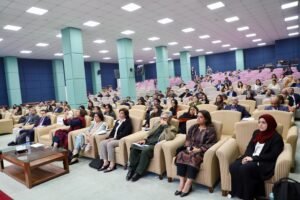
Day 02 December 18, 2025: The second and concluding day of the DARE-RC International Education Summit 2025 focused on translating research evidence into effective teaching practices, accountable governance, and system-wide education reform in Pakistan. Senior policymakers, academic leaders, and international experts came together during the academic sessions to explore how using evidence can improve classroom teaching, support teacher development, and enhance large-scale education delivery.
The second day comprised nine structured sessions, including a spotlight address, three thematic panel discussions, four parallel roundtable dialogues, and a closing plenary. The summit concluded with closing remarks by Sam Waldock, Development Director at the British High Commission, who reaffirmed the importance of sustained collaboration between government, academia, and international partners to translate research into meaningful system-wide impact.
The Day 2 opening reflections by Saima Anwer, Programme Director DARE-RC, emphasised the urgency of moving “from evidence to action,” followed by a spotlight session by Dr Irfan Muzaffar from LUMS on reconnecting classroom realities with system-level reform. Panel discussions throughout the day featured leading international scholars including Dr Ricardo Sabates (University of Cambridge), Dr Aliya Khalid (University of Oxford), and Heather Kayton (What Works Hub for Global Education), alongside senior government officials from all provinces of Pakistan.
The sessions focused on evidence-based teaching practices, teacher recruitment and professionalisation, accountability and performance monitoring, and system-level governance reforms. Interactive roundtables in workshop style enabled deeper engagement on inclusion, climate resilience, teacher professional standards, and inter-provincial governance.
The summit also featured over 30 research projects commissioned by DARE-RC, covering four major themes: inclusion, intersectionality, and social justice in education; effective teaching for quality learning; building resilient education systems; and education governance and management.
The two-day education summit was inaugurated with a keynote address by Professor Kamal Munir, Pro Vice-Chancellor, University of Cambridge, who set the agenda for advancing equity-driven, evidence-informed education reform in Pakistan.
The closing plenary focused on building a national culture of research, chaired by Dr Farid Panjwani, AKU, bringing together Vice Chancellor, AIOU and deans of education from various Pakistani varsities. The concluding session reinforced the role of universities in shaping policy-relevant research and future education leadership.


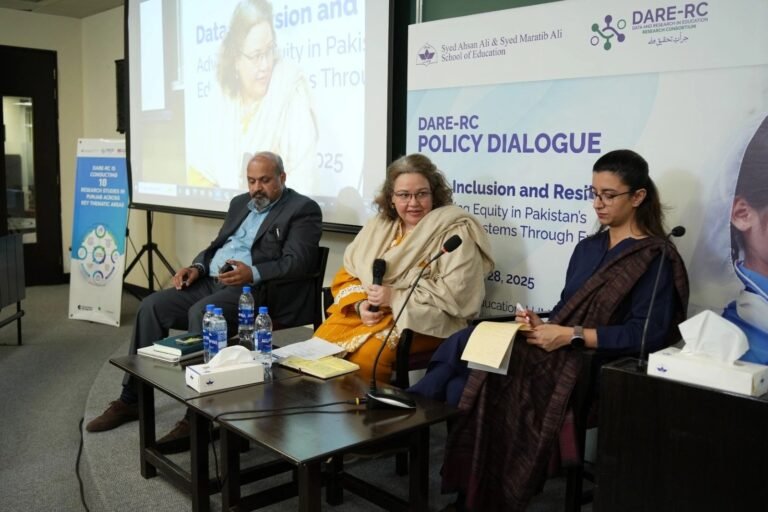
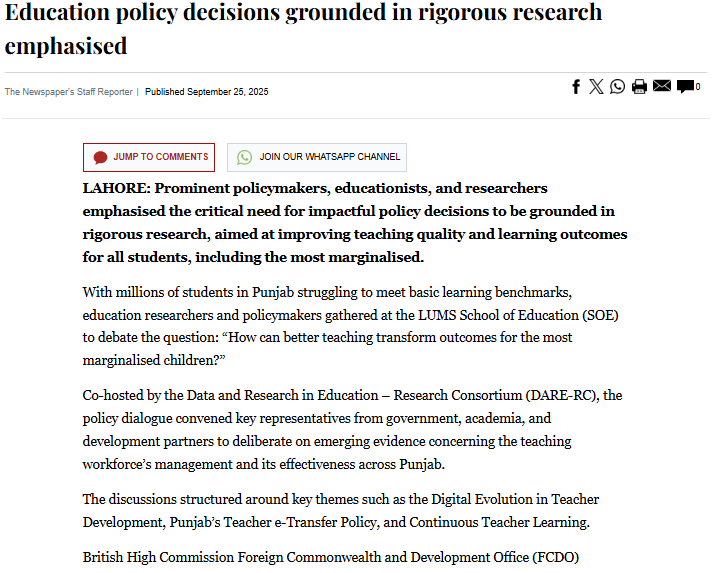
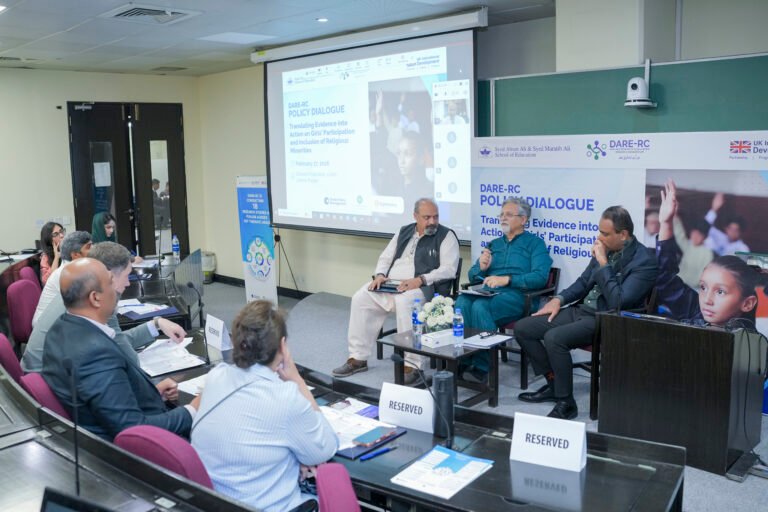
In the face of widening disparities in learning, education experts and researchers gathered at the LUMS School of Education to explore data-driven insights and inclusive approaches for advancement of equity for learners across Pakistan. The Syed Ahsan Ali & Syed Maratib Ali School of Education (SOE) at LUMS, in collaboration with the Data and Research in Education Research Consortium (DARE-RC), hosted this policy dialogue bringing together key representatives from academia, government and development partners. The motive was to deliberate on how evidence and data can be leveraged to build equitable and disability-inclusive education systems. They also tried to explore how robust disability-inclusive data can drive effective planning, budgeting and policy decisions.
This dialogue represents a significant milestone in a joint effort to translate the contextual evidence generated by DARE-RC into meaningful policy and practice discussions. Hosted at the LUMS School of Education, this discussion aims to foster a sustainable, locally-driven push for evidence-based education policy frameworks in Pakistan.
In his opening remarks, Mr. Salim Salamah, Deputy Group Head (Health, Education, and Democracy) at the British High Commission, underscored that the research studies undertaken through DARE-RC form an integrated ecosystem; one that strengthens the national research infrastructure while cultivating a sustained community of practice. He noted that this programme not only generates rigorous evidence but also connects researchers, practitioners and policymakers in a way that ensures the continuity of dialogue well beyond the life of individual projects. Mr. Salamah emphasised that while structural reforms are often bounded by political or administrative cycles, the relationships forged through this research community create enduring mechanisms for evidence use. By bringing together a research system and a committed cohort of academics focused on improving access and quality in education, DARE-RC is helping to build a lasting legacy: a culture where policymaking in Pakistan is increasingly informed by credible, contextually grounded evidence
Prof Dr. Tayyaba Tamim, Dean of the School of Education at LUMS, highlighted that Pakistan is ranked among the seven most climate-vulnerable countries in the world, which makes it critical for our education systems to stay resilient. And resilience doesn’t mean returning to where we started, it’s an iterative cycle. We must not simply react to climate change, but respond to it in ways that help us move forward, even as disruptions grow. This dialogue is part of our ongoing commitment to think about where resilience and inclusion can take us. Whether we talk about resilience or inclusive education, none of it is possible without data. We need data to frame and understand the problem, and it is only through data that research can meaningfully inform policy.
Ms. Saima Anwar, Program Director, DARE-RC, alluded to the need for sustaining a community of practice beyond the program’s lifecycle. She highlighted LUMS’s vital role in supporting this continuity, especially following Pakistan’s recent education emergency, and noted that such collaboration ensures locally grounded research continues to inform meaningful policy change.
The session was structured around key themes such as Predictive Modelling of Policy Impact on School Enrolment, inclusive community-based participatory research in urban and rural Pakistan, and Disability-Inclusive Data and Systems. Academics and researchers stressed that impactful education reforms must be built on robust evidence, noting that data-informed and inclusive strategies are vital for advancing equity and improving outcomes for marginalised learners.
While highlighting the use of predictive modelling to analyse policy impact on school enrolment, Dr Farah Nadeem stated that this ambitious project uses innovative data methods and machine learning to pinpoint what drives access to education. Although attitudes are positive, economic constraints remain the strongest influence, with nearly half of respondents forced to choose between schooling and other basic needs.
Dr Zahid Majeed reflected on resilient education systems for adolescent learners, drawing on community-based participatory research from urban and rural Pakistan. He emphasized “Recent heatwaves and floods have reshaped how adolescents perceive risk and resilience and our participatory research highlights the need to strengthen community roles, preparedness and inclusion across school systems.”
The final presentation, delivered by Iftaq Khaliq Khan focused on disability-inclusive data systems and the integration of the Washington Group Questions into Pakistan’s Annual School Census. He highlighted the importance of using the Washington Group Short Set to standardize disability identification, enabling more accurate, comparable and functional assessments across education systems.
The session concluded with an interactive panel dialogue including Dr. Farah Said, Dr. Faisal Bari and Dr. Razia Sadik, exploring emerging evidence on system readiness, learning experiences and data integration across diverse contexts. During the panel discussion, speakers emphasized that low-hanging reforms can quickly emerge when evidence is meaningfully used, but data tools must remain dynamic and continuously updated rather than static. Panelists noted that most policymakers are not proficient with large datasets, making it essential for researchers to present data in simplified and decision-friendly formats. They also underscored that disasters are not only natural but also man-made, and that climate-related impacts disproportionately affect marginalised learners. The discussion further highlighted the need for social protection and school safety policies that extend beyond education alone, along with careful planning for implementation. Panelists reiterated that high-quality, standardized data is a ‘double-edged sword’: when accurate, it can strengthen planning, but if misinterpreted, it leads to unclear insights and weak results.
Following its broader mission, DARE-RC is a pioneering collaborative knowledge-building programme aimed at empowering policymakers to drive education reform. It is implemented by Oxford Policy Management (OPM) in partnership with the Aga Khan University Institute for Educational Development (AKU-IED), and Sightsavers, and is funded by the UK Foreign, Commonwealth and Development Office (FCDO). Through strategic dialogues with key institutions like the LUMS School of Education, the consortium helps cultivate a lasting culture of effective data-use for education policymaking, ultimately benefiting all children, especially the most marginalised.
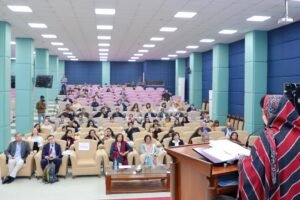
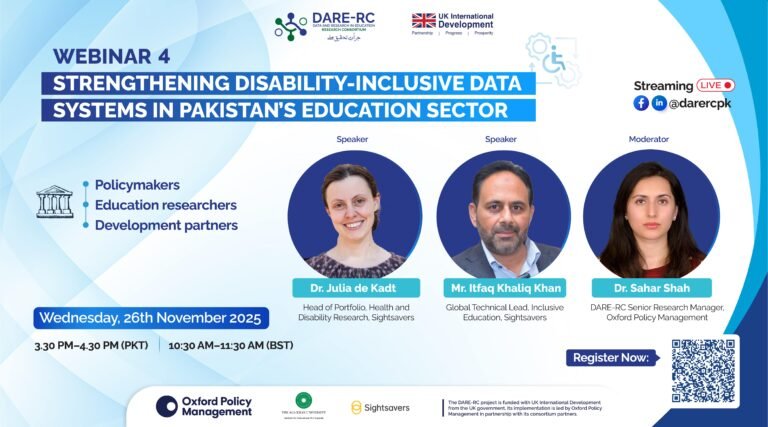
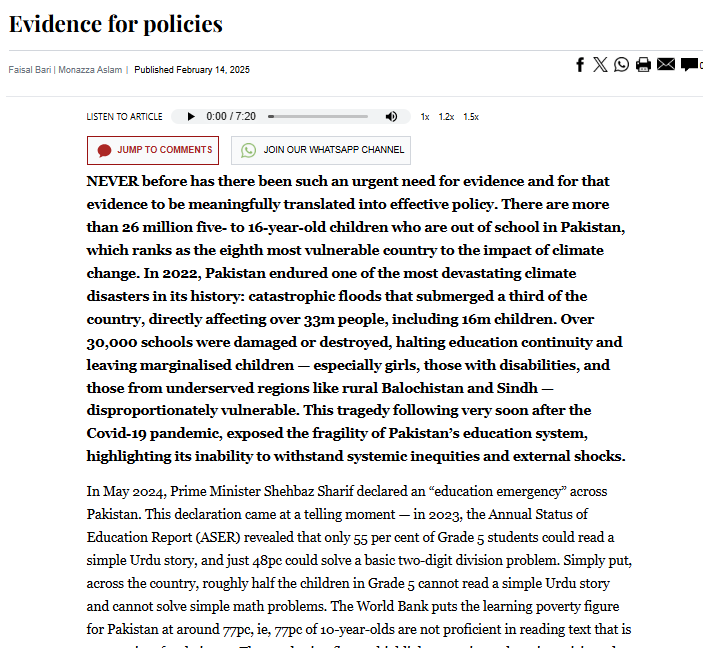
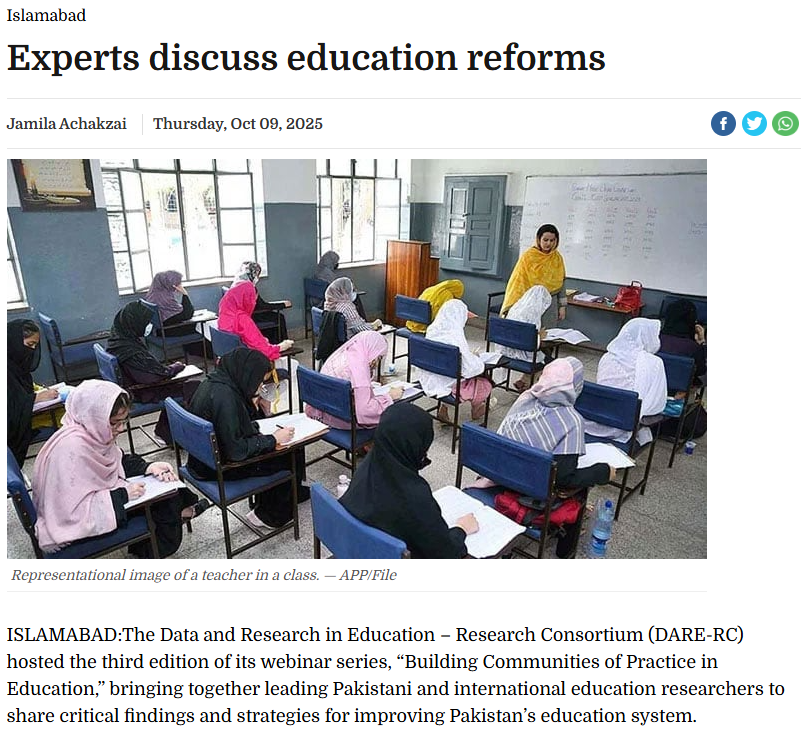
The Data and Research in Education – Research Consortium (DARE-RC) convened the fourth session of its webinar series, ‘Building Communities of Practice in Education’, bringing together leading education researchers from Pakistan and abroad to discuss key findings and share strategies for strengthening the country’s education system. DARE-RC is a pioneering education research initiative dedicated to producing actionable, evidence-based insights to support nationwide education reform. The programme is led by Oxford Policy Management (OPM) in collaboration with the Aga Khan University Institute of Education (AKU-IED) and Sightsavers, with funding from the Foreign, Commonwealth & Development Office (FCDO).
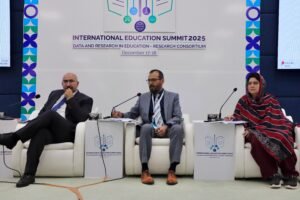
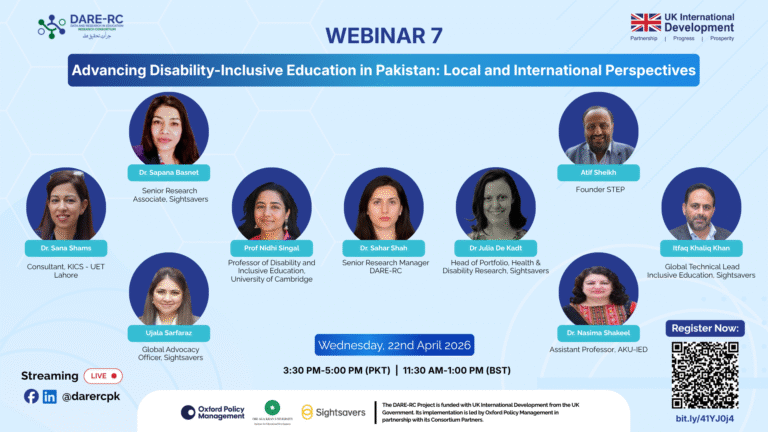
The webinar episode ‘Strengthening Disability-Inclusive Data Systems in Pakistan’s Education Sector’ featured Dr Julia De Kadt, Head of Portfolio, Health and Disability Research, Sightsavers, and Mr Itfaq Khaliq Khan, Global Technical Lead, Inclusive Education, Sightsavers. The session was moderated by Dr Sahar Shah, Senior Research Manager for the DARE-RC programme at Oxford Policy Management.
The webinar focused on the research objectives, methodology, substantive findings and policy recommendations emerging from Dr. Julia de Kadt’s DARE-RC study titled ‘Disability Inclusive Data Systems-An analysis of the Integration of the Washington Group Questions on Disability into the Annual School Census (ASC) in Pakistan’. Dr Julia De Kadt and Mr. Itfaq Khaliq Khan shared reflections on the process of integration of the four (of six) Washington Group Short Set (WG-SS) questions into the 2023/24 ASC. They highlighted the challenges as well as enabling factors in integrating the Washington Group Questions into the ASC.
Dr. Julia De Kadt shed light on the nature and quality of the actual data collected, as well as shared the responses of stakeholders at federal, provincial, and school levels in relation to training, data collection, analysis, and the use of disability-inclusive data. The study was guided by an adapted version of the World Bank’s SABER framework, which outlines four pillars of an effective EMIS—enabling environment, system soundness, data quality, and data use—emphasising continuous data collection and utilisation.
In discussion with Dr Sahar Shah (Senior Research Manager at DARE-RC), Dr Julia De Kadt and Mr Itfaq Khaliq Khan emphasized upon the use of a standardised tool, such as the WG-SS, along with adequate teacher training and clear data collection guidance help to reduce underreporting of numbers of children with disabilities. They stressed on the importance of recognising the significant achievements attained in the institutionalisation of disability data in the ASC and broader EMIS, and in awareness creation in relation to disability inclusion and inclusive education. Mr Khan further mentioned that following the approval of the Data Standardisation of Framework (DSF) in 2023, the Pakistan government has been working on strengthening data on the education system, including that for children with disabilities. The DSF includes four of the WG-SS questions i.e. seeing, hearing, walking and cognition. Dr Julia highlighted that the integration of the WG-SS within the DSF demonstrated strong commitment to collecting disability data.
The study adopted a sequential, mixed methods design, to explore the nature and quality of the disability data collected by Pakistan’s 2023/24 Annual School Census (ASC), and to understand the ways in which data collection processes, planning and implementation shaped the data collected. The study was conducted across the Islamabad Capital Territory (ICT) and all four provinces, with data collection in both urban and rural areas of Lahore, Karachi, Peshawar, and Quetta.
Following a mid-session question on the possible strategies that may be applied to create inclusive educational spaces for students with disabilities, Mr Itfaq Khaliq Khan emphasised on the fact that inclusive education is all about including everyone and not only about data and access to education. He commented that while the challenge is huge, the solution comes in three parts, namely access, participation of children in schools and improving their learning outcomes.
This session of the DARE-RC webinar series represents an important step towards promoting evidence-based education reform in Pakistan. By bringing key stakeholders into constructive conversation, the consortium furthers its goal of using high-quality research to inform policies that enhance collaboration across provinces and institutions.
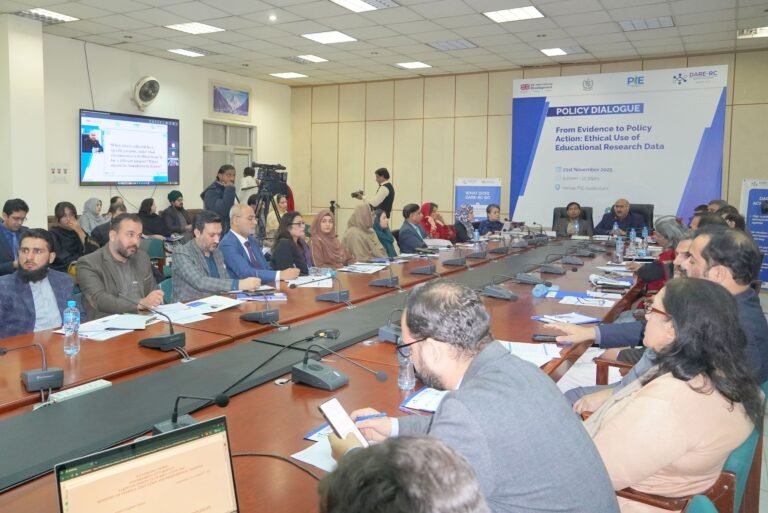
The Pakistan Institute of Education (PIE) and the Data and Research in Education – Research Consortium (DARE-RC) brought together policymakers, researchers, and development partners in Islamabad to build consensus on a national education data sharing framework. The dialogue focused on how data can be used responsibly to inform policy decisions and strengthen learning opportunities for all children in Pakistan. DARE-RC is led by Oxford Policy Management in partnership with Aga Khan University Institute for Educational Development and Sightsavers, with support from the UK Foreign, Commonwealth and Development Office.
Participants from government, academia, and development agencies stressed the need for strong, transparent, and ethical data systems. Discussions centred on the structure and purpose of the proposed framework, ethical responsibilities when handling data, and the importance of clear access protocols and accountability mechanisms.
Secretary of the Ministry of Federal Education and Professional Training, Mr Nadeem Mahbub, underlined the importance of improved data systems. He noted PIE’s progress across the national education data landscape and highlighted the need to balance system-wide data sharing with safeguards against misuse. He appreciated the collective effort made during the dialogue to shape a way forward.
Mr Salim Salamah, Deputy Group Head for Health, Education, and Demography at the British High Commission, said Pakistan has a strong base of education data but must make better use of it. He explained that FCDO’s vision for DARE-RC is to promote the use of evidence to support a system that serves all children. He acknowledged PIE’s growth and ongoing collaboration with key partners to build transparent and ethical data systems.
PIE Director General Dr Shahid Soroya emphasised that provincial data consolidation and evidence generation are central to PIE’s mandate. He said effective work depends on trust that data will be used fairly and productively. He thanked DARE-RC, FCDO, and all partners for supporting PIE in developing data sharing protocols.
DARE-RC Team Lead Dr Ehtasham Anwar noted that strong data systems are essential for meaningful policy action. He said the purpose of the dialogue was to build agreement on an ethical national data sharing framework that covers collection, sharing, use, and protection. He added that consistent and effective use of data, rather than one-off exercises, is needed to improve education outcomes.
The DARE-RC leadership team closed the session with key takeaways and next steps, reaffirming its commitment to working with PIE to strengthen tools and systems that support high-quality data use.
Secretary Nadeem Mahbub’s remarks: PIE has been doing a strong job across the education data system of Pakistan. A careful balance is needed between sharing data across the system and holding institutions accountable for any misrepresentation or misuse. I appreciate the efforts made today to define a clear path forward.
The panelists including Dr. Kanwal Ameen, Dr. Farah, Ms. Rabia Awan, Ms. Izza Farrukh, Mr. Abid Gill contributed to these rich discussions.
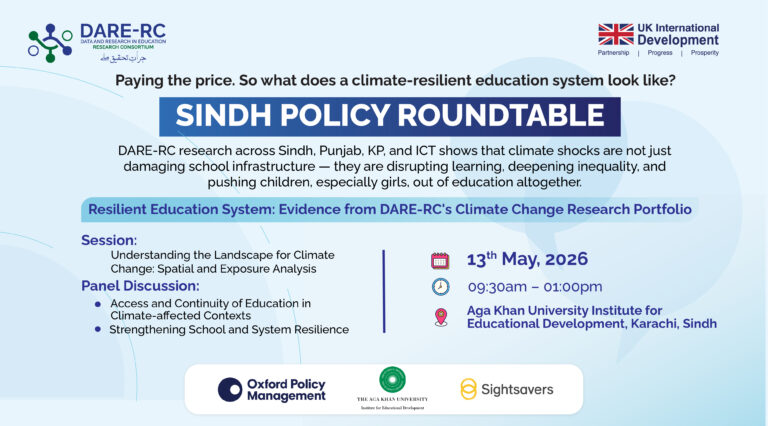
Climate change-related hazards and cascading adverse events, such as disasters, displacement, disruptions and conflicts, have substantially exacerbated the ongoing education crisis and social inequalities and have become a major driver of economic losses and development setbacks. The impact of these adversities is much greater for those facing social disadvantage, young people living in rural areas, low-income families and laearners with disabilities.
Main objectives
This study will generate contextually grounded evidence on what resilient education means for adolescents (between ages 10 and 19), their teachers, education authorities and communities in Pakistan.
The study will seek to answer:
-
- How do adolescents, including learners with disabilities, their teachers and their communities understand and experience natural and man-made disaster related risks and their impact on learning?
-
- What does a resilient education system mean to them? What do they perceive as their role in risk management, adaptation and resilience building?
-
- How are parents and communities engaged in education system resilience building activities and how can their resilience be strengthened?
-
- How gender, location (urban/rural) and disability affects experiences of a risk-informed learning environment and resilience building?
Added value of the study
This research is highly relevant to Pakistan as it faces a critical challenge around inclusion of learners’ agency, climate change and education. Pakistan has a high proportion of learners and education communities affected by climate-related annual disasters. This study focuses on adolescent learners whose participation and agency, despite being key stakeholders in education, are highly marginalised in policies related to education and climate justice.
This study offers a clear route to generating meaningful benefit for all the participating groups. It will directly empower all participants through sharing their perceptions and lived experiences. A key part of this study is to draw on work human development and authentic relating in order to engage meaningfully with them to gather rich data with integrity in a way that honours the time spent with participants. It is expected that participants will gain confidence and feel better able to advocate for themselves and others in the future using the empirical evidence generated by them and about them.
It will also directly benefit the peer researchers. By the end of the study process, it is expected that they will gain knowledge to conduct focus group discussions (FDGs), interpret data and share findings, and learn to advocate for change. Their role may positively influence how they are perceived by others in the community and especially by the education and climate change policymakers. They will have developed a wider network through building relationships with other participants and the research team.
The evidence generated can shape the policy interventions that the Data and Research in Education, Research Consortium (DARE-RC) aims to achieve. Engagement with national policymakers, climate change and education actors, including provincial and federal Ministry of Education, Ministry of Climate Change, national and international non-governmental organisations (NGOs) like the United Nations Educational, Scientific and Cultural Organization (UNESCO), the United Nations Office for Disaster Risk Reduction (UNDRR) and the United Nations International Children’s Emergency Fund (UNICEF) working in education and Pakistan Bureau of Statistics.
Policy and practice implications
This study will provide vital empirical evidence on experiences and perceptions on what resilient education systems mean for adolescent girls and boys, including adolescents with different types of disabilities from different urban and rural settings in Pakistan. It will also generate evidence of parents’, teachers’ and communities’ perceptions of a resilient education system.
Understanding these contextual experiences and how they are mediated through barriers and vulnerabilities related to gender, disabilities and other socio-cultural norms, and risks and hazards related to climate change can directly feed into the policy and programmes related to localised resilient education systems. The use of empirical data and insights generated through research can contribute to evidence-informed policy alignment across sectors that can help to ensure that the co-benefits and intersectoral dependencies between education, climate and environment are made explicit in the implementation of national strategies.
The Pakistan Institute of Education (PIE) and the Data and Research in Education – Research Consortium (DARE-RC) – a project funded by UK International Development – jointly organised a Policy Dialogue on “Initiating an Early Warning System (EWS) to Identify Students at Risk of Dropout” at the PIE Auditorium.
The event convened policymakers, education experts, and development partners to deliberate on strategies to address the urgent challenge of school dropouts in Pakistan. With over 26.2 million children aged 5-16 years currently out of school, the dialogue underscored the importance of innovative, data-driven solutions to improve retention rates and ensure equitable access to education. Central to the discussions was the Early Warning System, a globally recognised framework that uses indicators such as attendance, academic performance, and socio-economic conditions to identify students at risk of dropping out. This enables targeted and timely interventions to prevent dropouts and foster inclusive education.
The event began with a welcome address and opening remarks, followed by a multimedia presentation showcasing global successes with EWS models and a live demonstration of the Sindh Early Warning System model. Group discussions and a panel session, moderated by leading education experts including Dr Zaigham Qadeer and Dr Sajid, provided a platform for actionable recommendations to inform policy and practice.
Participants developed a tailored framework for EWS implementation in Pakistan and proposed steps to integrate the system into national and provincial education strategies. The dialogue also fostered collaboration among senior government officials, provincial education departments, and donor agencies including FCDO, the World Bank, UNICEF, JICA, and UNESCO. Representatives from NGOs and development organisations were also present, contributing their expertise and insights. The outcomes included a roadmap for piloting EWS initiatives in select regions with plans for scaling them nationally.
Hassan Saqlain, Additional Secretary at the Ministry of Federal Education and Professional Training, in his address emphasised the critical importance of early interventions in reducing school dropout rates. He stated, “Addressing the issue of school dropouts is not just a matter of improving education statistics, but a matter of ensuring a brighter future for our children and the nation’s prosperity. Through initiatives like the Early Warning System, we are taking a decisive step in identifying at-risk students early and providing them with the support they need to stay in school.”
Director General PIE, Dr Shahid Soroya, highlighted the critical need for targeted interventions to combat dropout rates. “Education is the bedrock of progress. Through data-driven solutions like the Early Warning System, we can transform Pakistan’s education landscape and ensure every child has access to quality education,” he stated.
“We must act now to develop and deploy contextually appropriate strategies for ensuring retention of students through accessible quality education. An effective EWS based on reliable and relevant evidence offers the opportunity of robust monitoring of students at risk of dropping out. It will help in reduction of dropout rates through a shift to multi-sectoral strategies identifying and tackling the debilitating factors that hinder children’s continued participation in learning and skills development,” said Asfundyar Khan, Deputy Programme Director at DARE-RC.
This Policy Dialogue exemplifies the collective commitment of PIE, DARE-RC, and their partners to evidence-based policymaking and cross-sector collaboration. It reaffirms Pakistan’s dedication to achieving Sustainable Development Goal 4 of inclusive and equitable quality education for all.
Data and Research in Education – Research Consortium (DARE-RC), marked the beginning of its first research grant cycle today at the Ramada Hotel in Islamabad. The event was attended by key figures from academia, research organisations, government departments, the non-profit and development sectors, and independent researchers.
The DARE-RC programme is led by Oxford Policy Management, funded by the UK International Development, in partnership with the Aga Khan University Institute of Educational Development and SightSavers. The focus of the event was to introduce the “Call for Application Cycle-1” for research grants, providing detailed information on eligibility criteria, grant requirements, and funding modalities.
Participants were briefed on the budget brackets for Small Research Grants (Rs14M to 34M) and Large Research Grants (Rs28M to 80M), as well as the expected duration for each category. Small research projects are expected to be completed within 6 to 12 months, with a possibility of extension up to 15 months, while large projects may span 12 to 18 months, extendable up to 20 months, depending on the scope and methodology.
A comprehensive “Call for Application” document, along with a dedicated FAQ page, was shared during the event. Additionally, participants were introduced to the web-based application process, including the submission of required documents through an online platform.
Harris Khalique, Programme Director of DARE-RC, delivered the welcome note, followed by remarks from a representative of the Foreign, Commonwealth & Development Office (FCDO), who reiterated the UK’s commitment to educational reform in Pakistan.
Dr. Dilshad Ashraf, Deputy Research Director of DARE-RC, highlighted the consortium’s research agenda, focusing on improving learning outcomes for marginalised children and developing resilient education systems.
The event concluded with a Q&A session, providing an opportunity for participants to engage directly with the DARE-RC team. For further information visit the website https://darerc.org/apply-for-grant/ – deadline to submit proposals is 12th September, 2024.
Inclusivity-focused discussions were held across all provinces including Gilgit Baltistan. Participants included CSOs, activists and government departments working on the issues and rights of marginalized communities (PWDs, religious and ethnic minorities, women). The discussion focused on the inclusion of marginalized groups in society in general and in education institutions in particular. These interactions provided a nuanced perspective on the multi-faceted issues of inclusivity and how these may be addressed.
Pakistan Institute of Education (PIE), in a significant collaborative effort with the FCDO-funded Data and Research in Education – Research Consortium (DARE-RC) led by the Oxford Policy Management (OPM) along with the Aga Khan University’s Institute for Education Development (AKU-IED) and Sightsavers International, successfully conducted a two-day national workshop titled “Evidence Landscape of Pakistan: Mapping Gaps and Identifying Existing Evidence.”
Upcoming Events
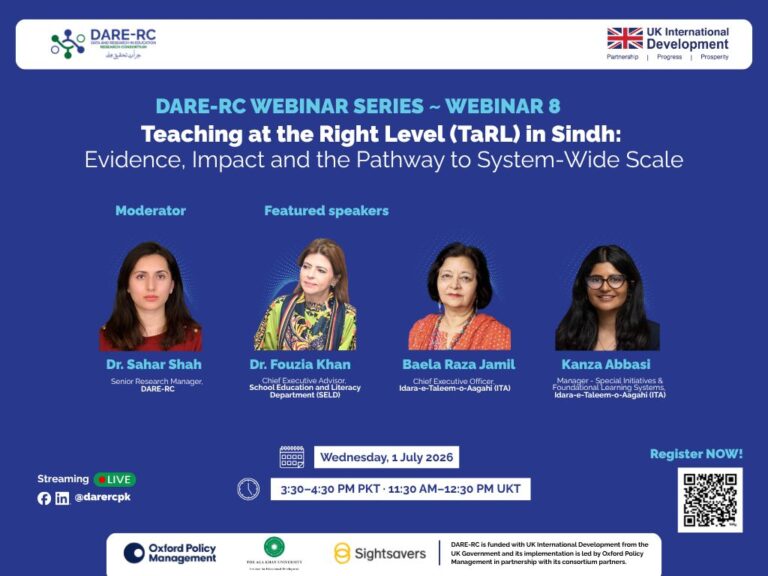
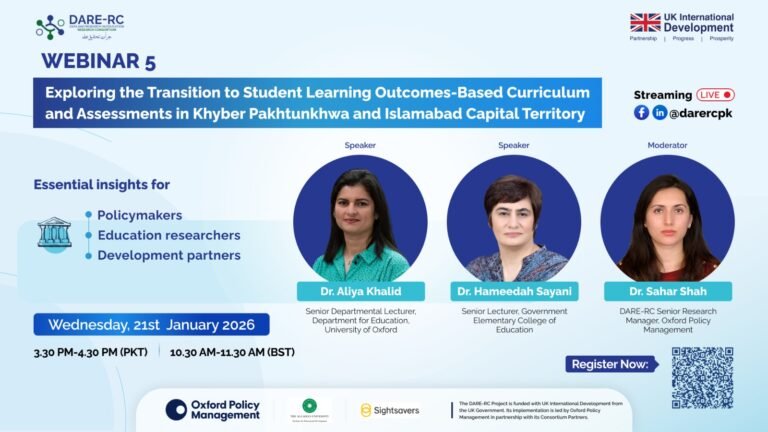
This webinar highlights an example of engaged, responsive research that evolves alongside policy implementation and classroom realities. Drawing on fieldwork with teachers, school leaders, and experts, the study goes beyond documenting reform to actively responding to gaps identified during implementation of Student Learning Outcomes–based curricula and assessments. A key feature discussed in the webinar is the co-development of a practical teaching resource, designed to support teachers struggling to translate SLO policy into everyday practice. The session reflects on how iterative engagement with stakeholders shaped the research design, findings, and outputs, demonstrating how research can remain analytically rigorous while directly informing teaching and learning support.
Speaker – Dr Aliya Khalid
Senior Departmental Lecturer, Department for Education, University of Oxford
Speaker – Dr Hameedah Sayani
Senior Faculty, Government Elementary College of Education
Moderator: Dr. Sahar Shah, DARE-RC Senior Research Manager, Oxford Policy Management
Register Here:
Date: Wednesday, 21st January 2026
Time: 3.30 – 4.30 PM (PKT) | 10.30 AM – 11.30 AM (BST)
Streaming live on LinkedIn and Facebook