
Can you hear me now? Experimental Evidence on improving education through nonelectoral citizen participation.
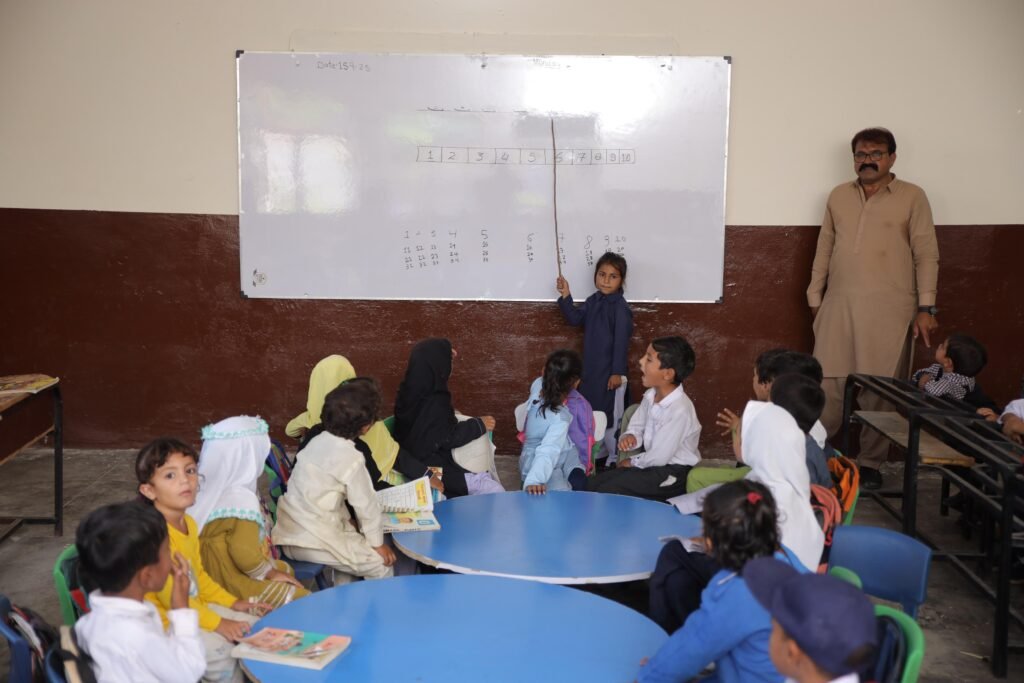
This project investigates how citizens in rural Punjab, Pakistan, can hold government representatives accountable to improve public schools. Through a randomized control trial, the project introduces community-based mobilization interventions to create accountability channels between citizens and policy actors to improve public schooling in Pakistan. These interventions vary by: (i) policy actor type – whether citizens […]
Tracing Child Migrants Education Access Amidst Climate Induced Disruptions in Pakistan
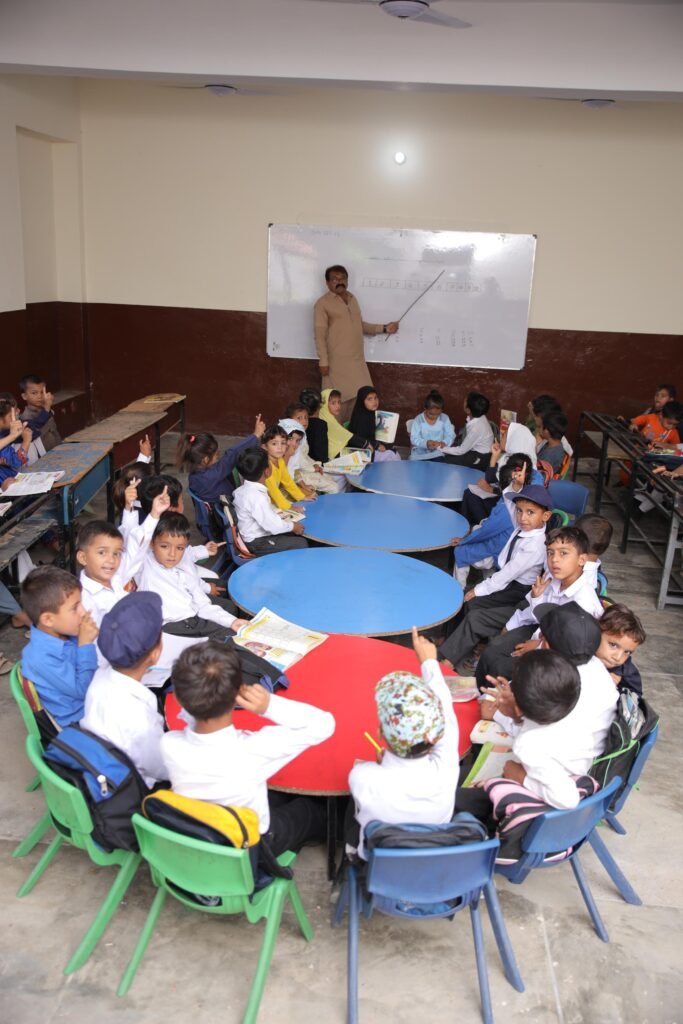
This research investigates the impact of climate-induced disruptive events on the educational access, continuity, and quality for climate-induced child migrants (CCMs) residing in urban and peri-urban Pakistan. Focusing on marginalised areas hosting CCMs in Khyber Pakhtunkhwa and Sindh, the study explores systemic challenges, including inadequate infrastructure, teacher shortages, enrolment difficulties due to missing/destroyed documentation, and […]
Breaking the Silence: Improving Educational Access and Technology for Deaf Learners in Pakistan
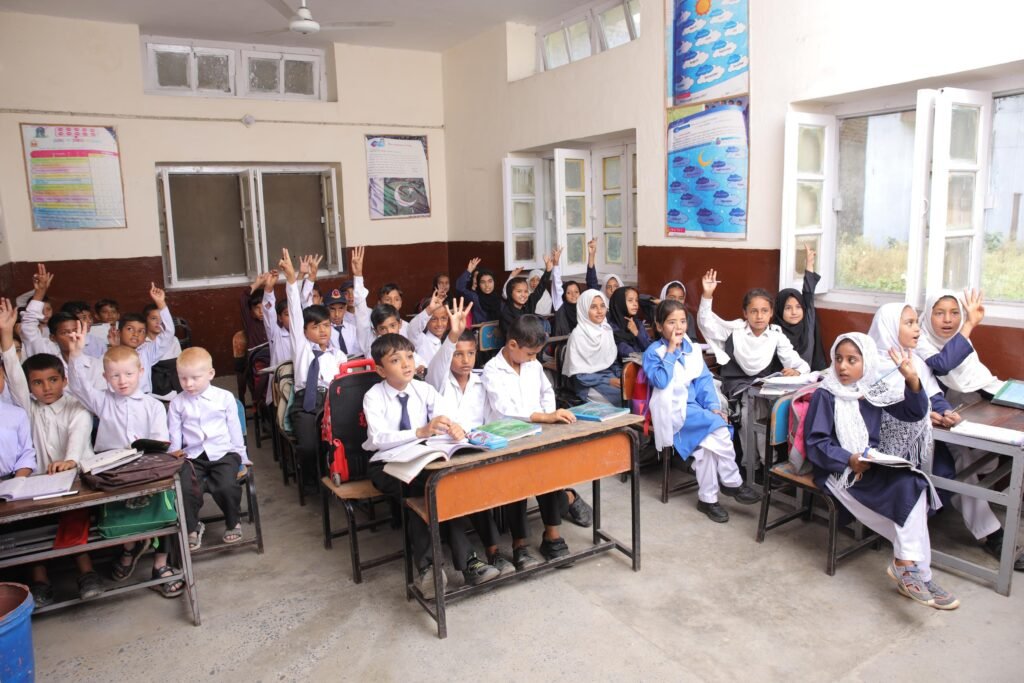
This research aims to enhance communication and learning opportunities for hearing-impaired children across Pakistan by developing a gender-sensitive assistive technology that translates speech into Pakistan Sign Language (PSL). The tool will bridge critical communication gaps and support kindergarten-level education, providing deaf children with essential language skills. By identifying the risk and protective factors influencing access […]
Exploring Teacher Licensing in Pakistan: Insights from Sindh and Punjab for Scalable Reforms
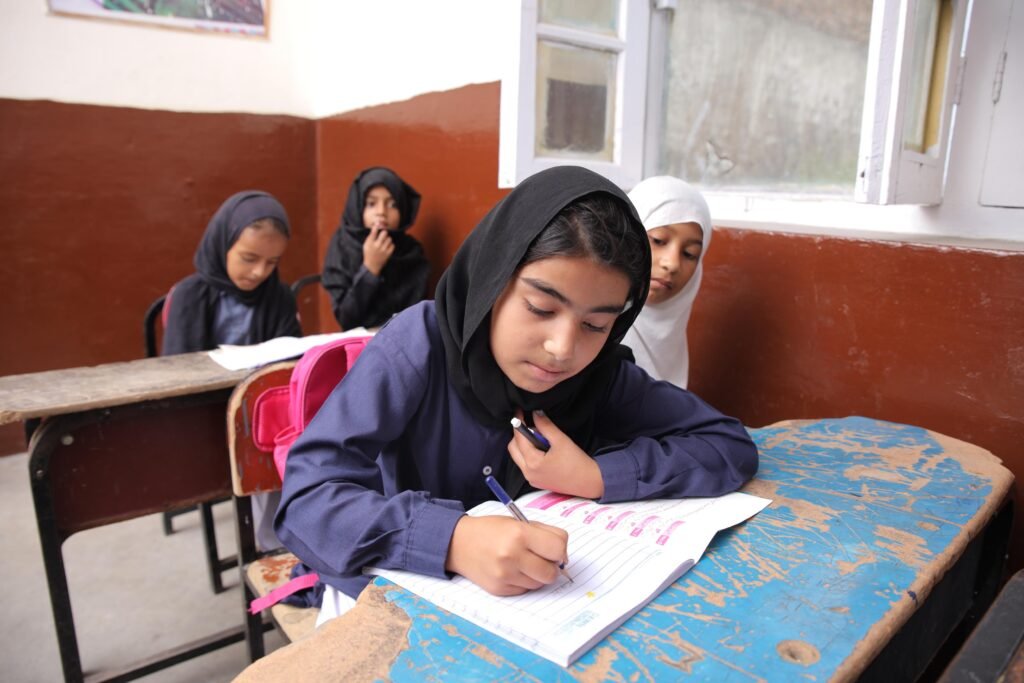
This study investigates the impact, implementation, and systemic challenges of teacher licensing policies in Pakistan, with a focus on primary school teachers in Sindh and Punjab. The research aims to assess the impact of teacher licensing on student learning outcomes, explore stakeholder perceptions, and identify systemic barriers to implementing licensing policies. The mixed-methods approach integrates […]
A License to Educate: Understanding Governance, Market, and Outsourcing for Learning and Equity in Punjab and Khyber Pakhtunkhwa
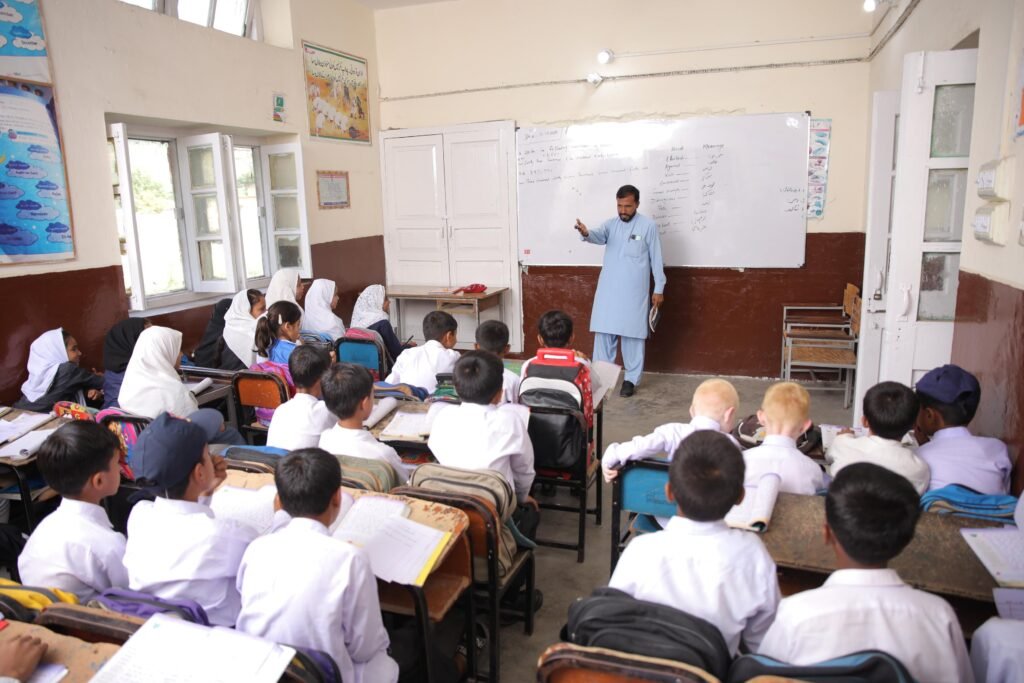
Employing a mixed-methods approach, this study investigates factors that enable or constrain the outsourcing of public schools to drive or hinder access and learning of girls and marginalized children in a cost-effective manner and at scale in Punjab and KP. The findings will help the provincial governments for course corrections early on and will also […]
Using Behavioural Insights into Parental Engagement for Improved Learning Outcomes
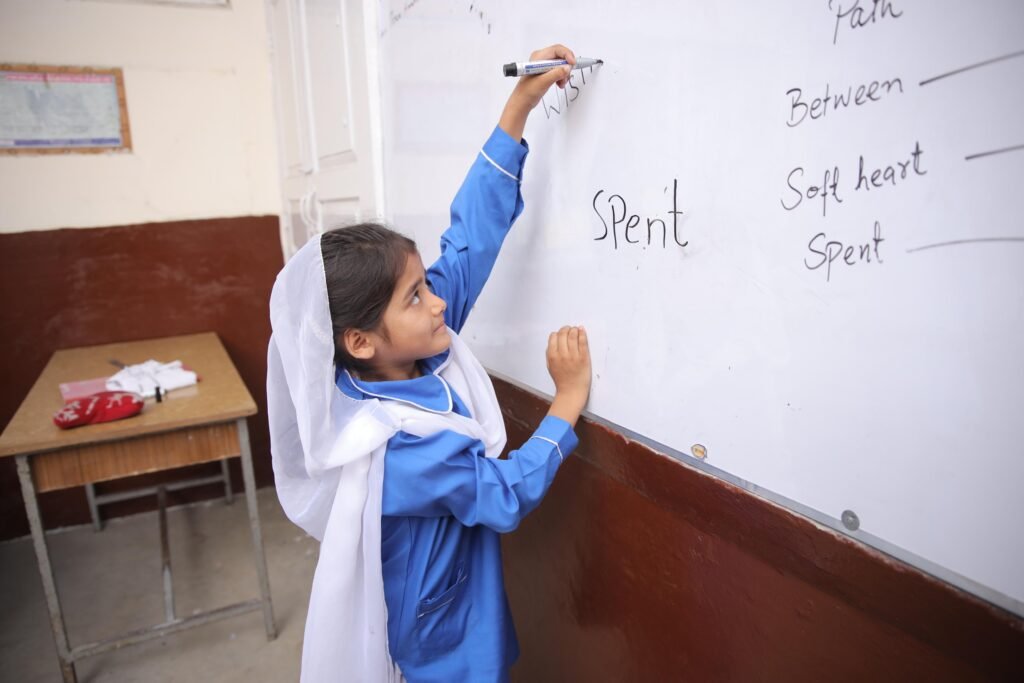
This study addresses the gap in understanding how contextually tailored, behaviourally informed parental engagement strategies can improve learning outcomes in low-performing regions like Sindh. Focusing on Sukkur division, it will conduct a behavioural diagnostic to design household-specific interventions and assess their impact on parental engagement and student performance. The study will generate granular, actionable data […]
Enhancing Equity and Accountability in Education: Evaluating and Scaling Composite Performance Indices in Pakistan.
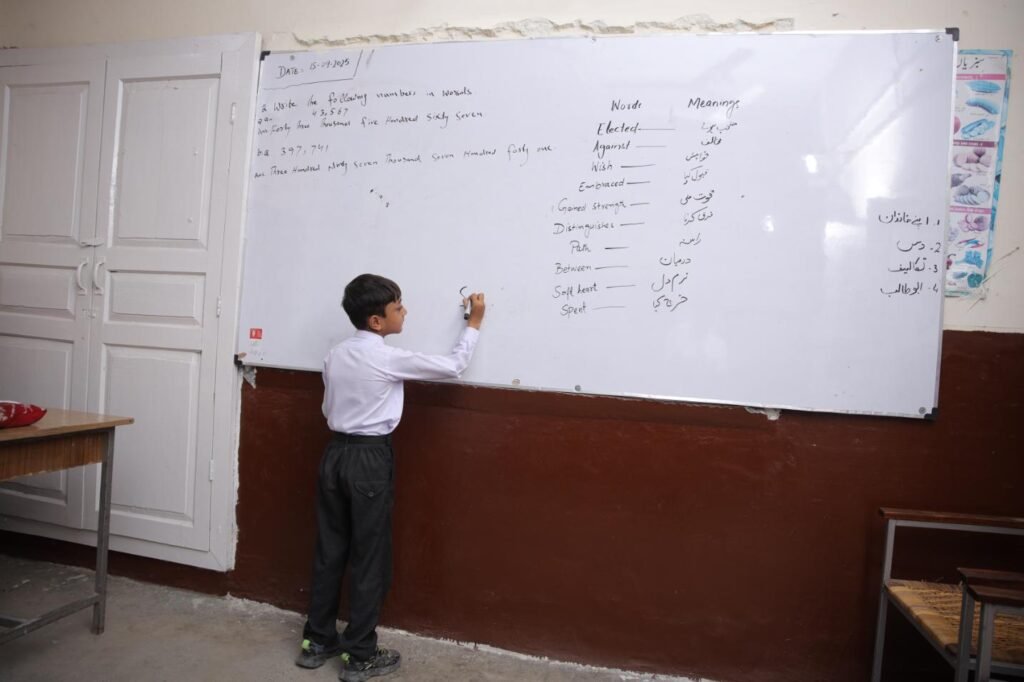
This project evaluates and scales composite education indices in Pakistan, focusing on the District Performance Score (DPS), Intra-District Performance Score (IDPS), School Status Index (SSI), School Improvement Framework (SIF), and District Education Performance Index (DEPI). These indices, pivotal for ranking schools and districts, are designed to facilitate data-driven decision-making and equitable resource allocation. In particular, […]
Understanding ways in which school leadership styles shape school cultures and student outcomes.
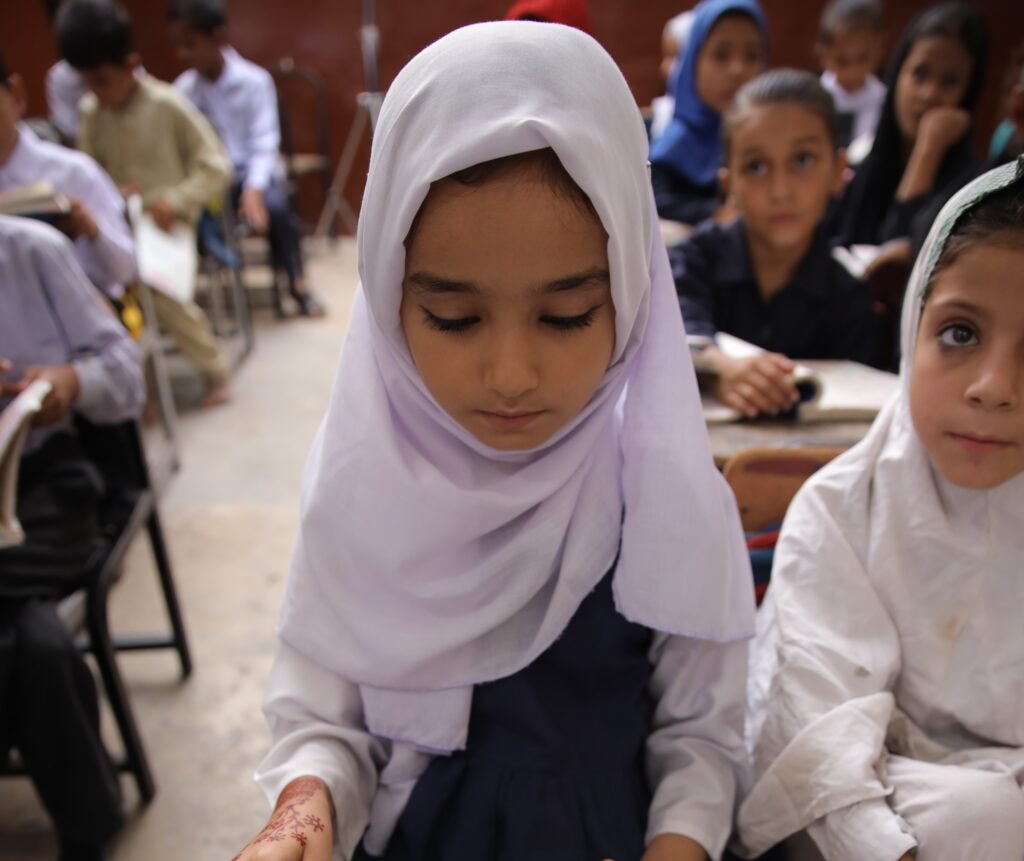
The research investigates school leadership practices from the perspectives of the school principals, students and their parents in selected government secondary schools for boys and girls, which have shown to meet markers of ‘good’ schools. Its overarching objectives are to gain contextually rich understanding of leadership styles in Pakistan, and their impact on school cultures […]
Scaling Impact: Large-Scale Human Capital Interventions for Low-Income Children in Punjab
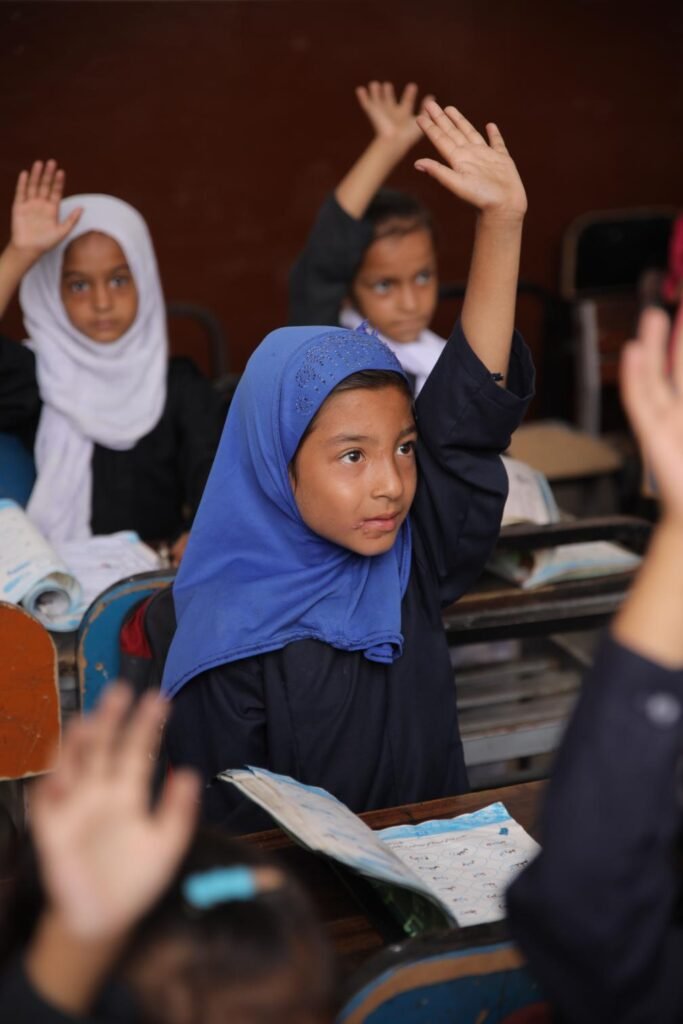
The quasi-experimental study aims at investigating a large-scale, multi-pronged Early Childhood Education programme in public schools spread across 11 districts in South Punjab. The intervention included, among other things, providing ECE training to teachers, providing the schools with ECE caregivers, making available material for teaching and learning, and upgrading ECE classrooms. By comparing the effects […]
Uneven State Capacity: Exploring the Political Economy of SubNational Variation in Education Provision
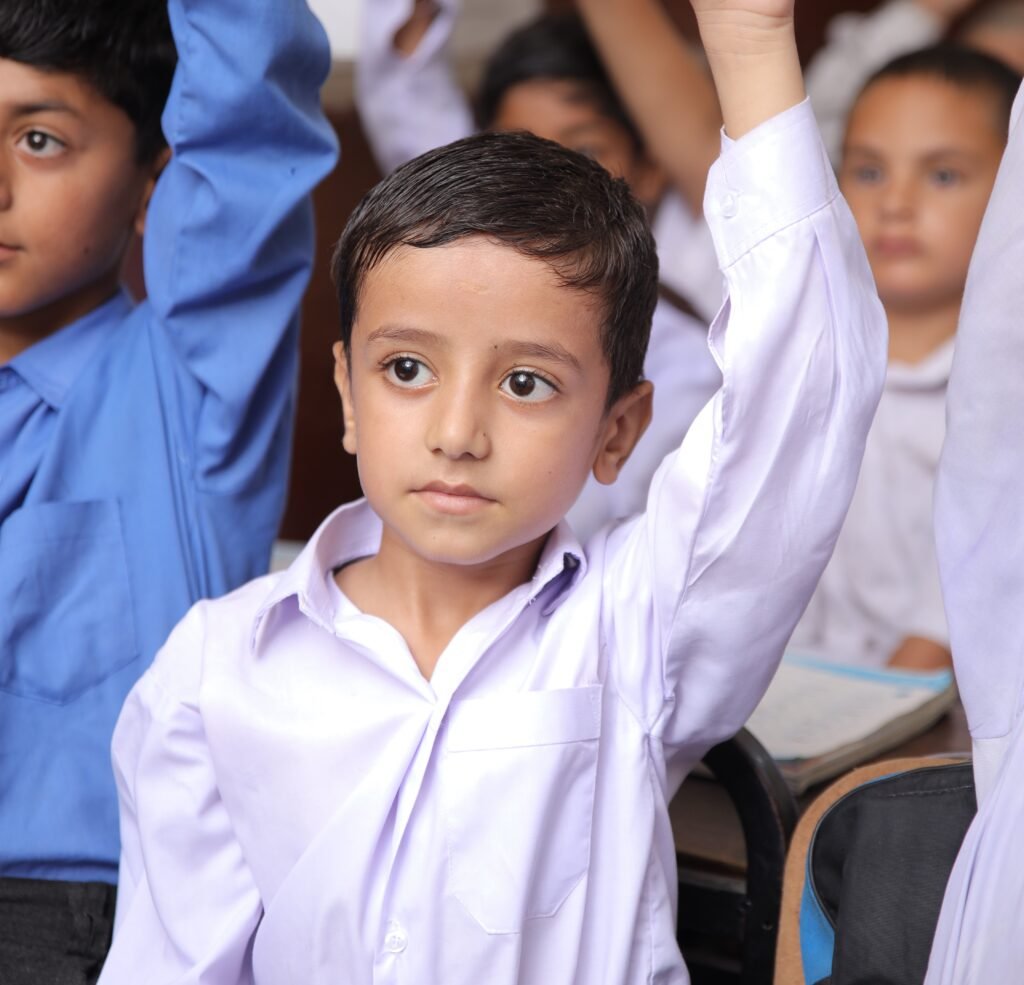
This research investigates the political economy drivers of spatial inequalities in education outcomes in Balochistan, with a specific focus on gender outcomes. It employs a political settlement analysis (PSA) framework to examine inter-district and intra-district variations in state capacity for education provision. The study utilizes a multi-level comparative design with a mixed-methods approach in five […]