
Exploring the Transition to Student Learning Outcomes Based Curriculum and Assessments in Khyber Pakhtunkhwa and Islamabad Capital Territory: Policy Frameworks and Teachers Implementation Experience
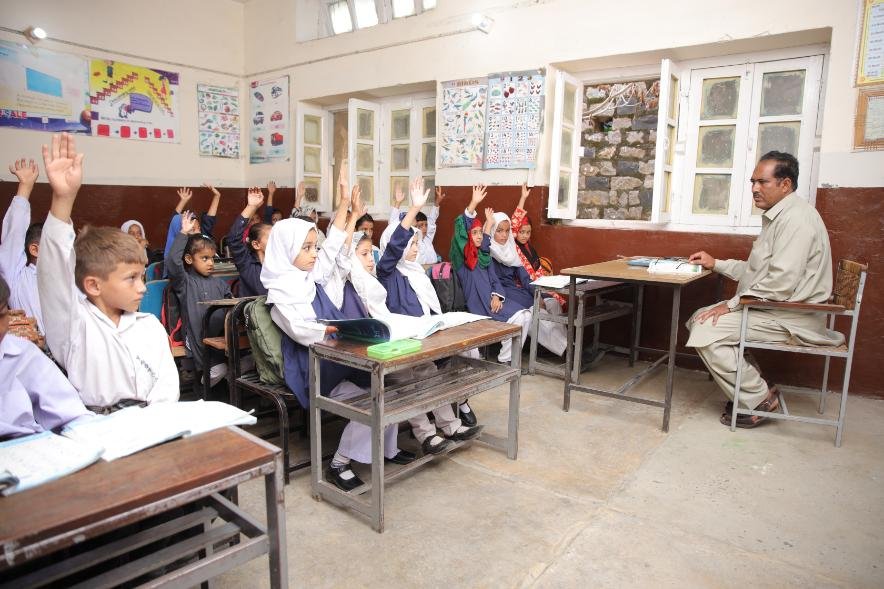
This study looks at how the SLO reform has been developed, planned, and used in two parts of Pakistan—Khyber Pakhtunkhwa (KP) and Islamabad Capital Territory (ICT). It follows the journey of the SLO policy from national planning to how teachers experience it in the classroom. By focusing on teachers’ voices, this study aims to better […]
The Teacher e-Transfer Policy in Punjab: A Study of its Impact on Accountability and Education Outcomes
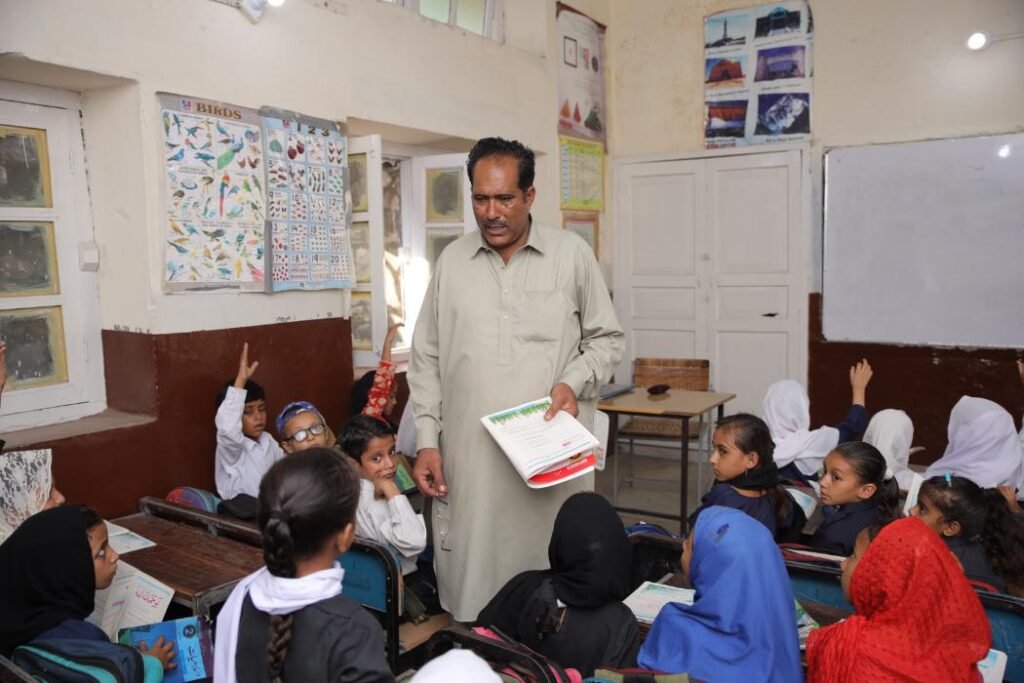
The research explores how Punjab’s merit based, online teacher transfer system—introduced in 2019 to reduce political interference—affects transparency, accountability, and education outcomes. Using a combination of qualitative and quantitative methods, the study analyses large administrative datasets in conjunction with field interviews of teachers, head teachers, and officials across selected districts to triangulate statistical trends with […]
Climate change hazards, risks, and vulnerabilities assessment in schools in Pakistan: piloting alocalised participatory assessment
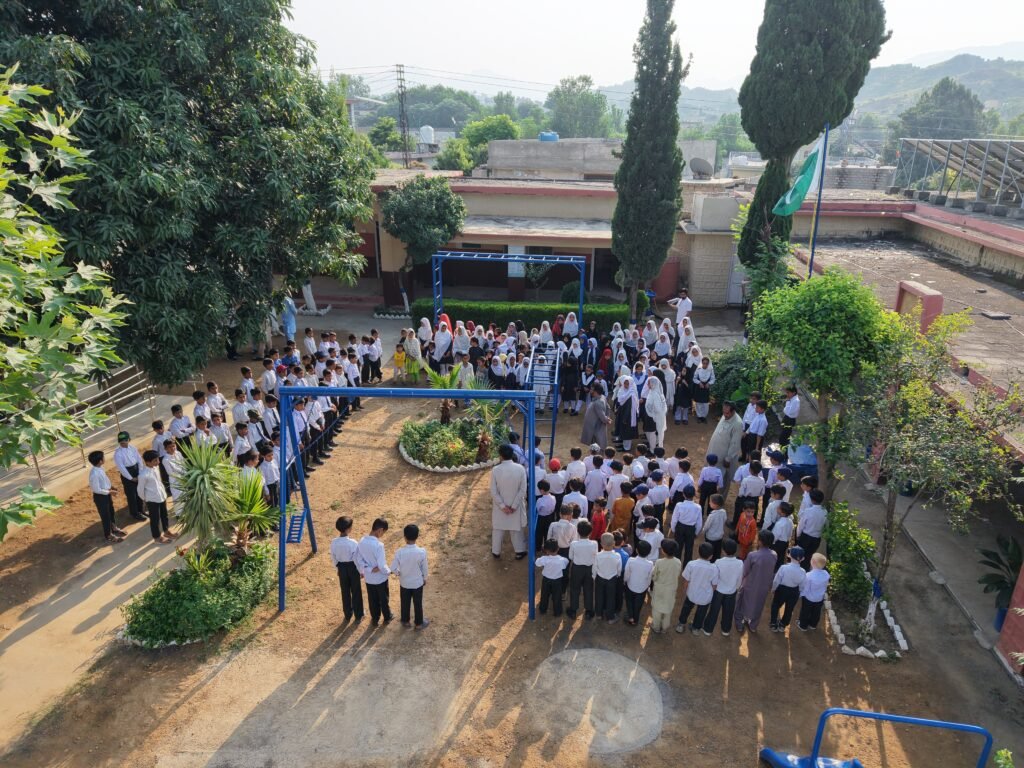
The study aims at collaboratively contextualizing UNESCO’s and Viet Nam Ministry of Education and Training’s ‘Assessment and preparedness toolkit’ into Pakistan’s context and will pilot the newly adapted ‘Climate Risk School Assessment Tool’ for identification and mapping of hazards inside and outside school communities. More broadly, the study will generate empirical evidence on local hazards, […]
Resilient education system for adolescent learners: inclusive community-based participatory research in urban and rural settings in Pakistan.
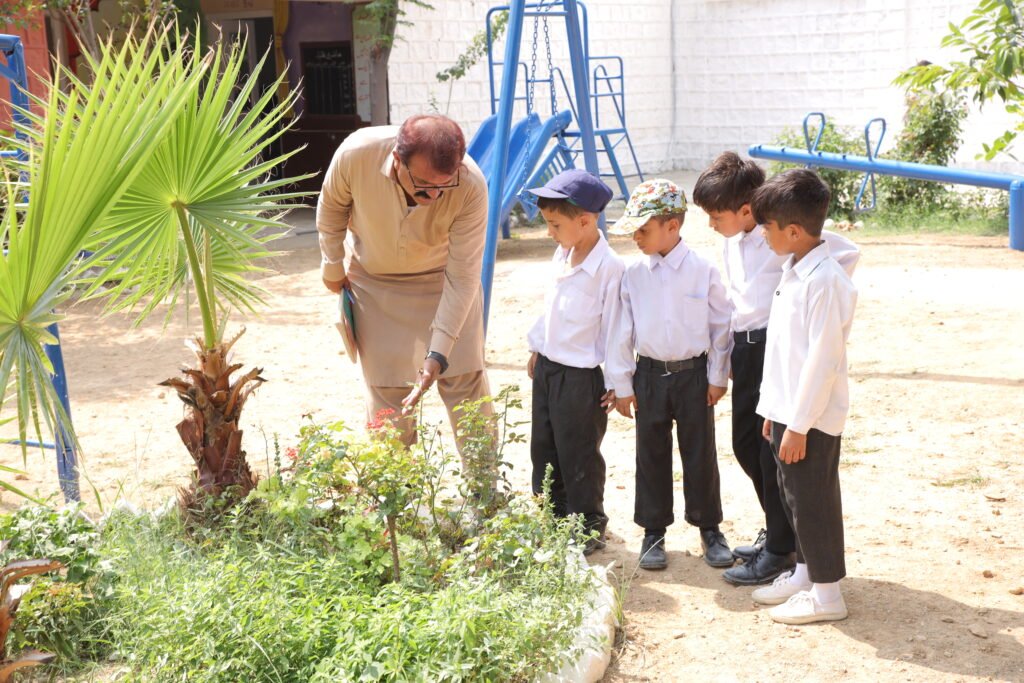
This study explores what resilient education means for adolescents (ages 10–19), their teachers, education authorities, and communities in Pakistan. Grounded in community-based participatory research (CBPR), this research gathers rich, context-specific narrative and visual insights on experiences of climate change-induced and man-made disasters and their impact on education continuity, health and wellbeing and how those intersect […]
Building Resilience to Climate Vulnerabilities Through Education: Supporting Schools, Educators and Students in Pakistan
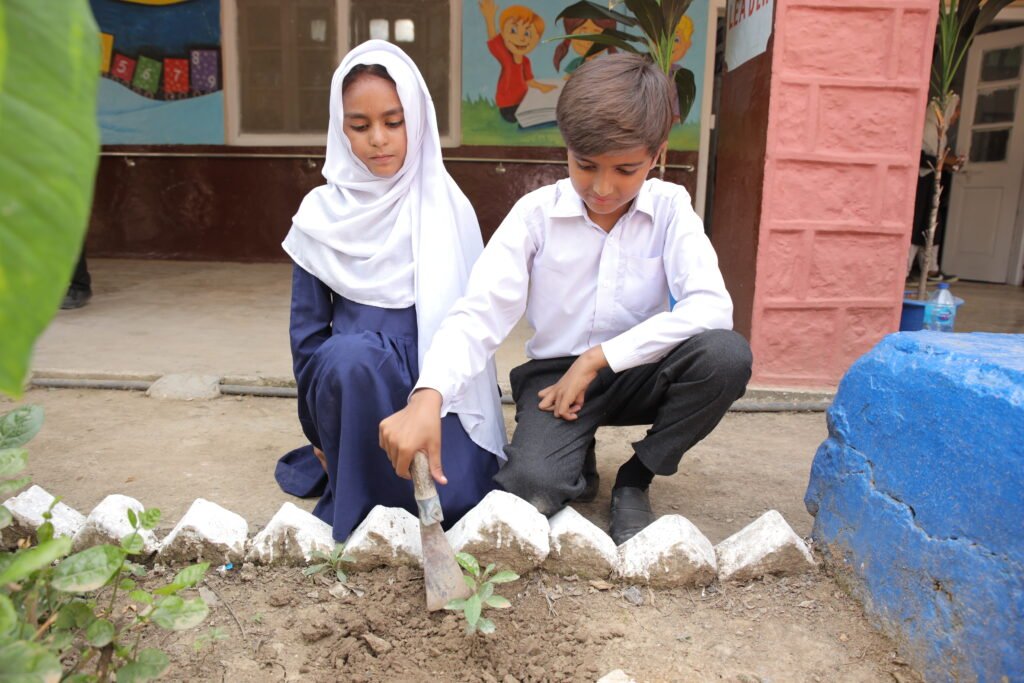
This study intends to assess whether girls’ education can strengthen climate resilience by educating, preparing and empowering girls. Using rural Sindh as their study sample, the research aims to centre the voices of school leaders and educators to understand whether they have the understanding and the resources needed to deliver education in climate vulnerable contexts […]
Classroom, family and community-related experiences of children with disabilities in mainstream schools in Pakistan
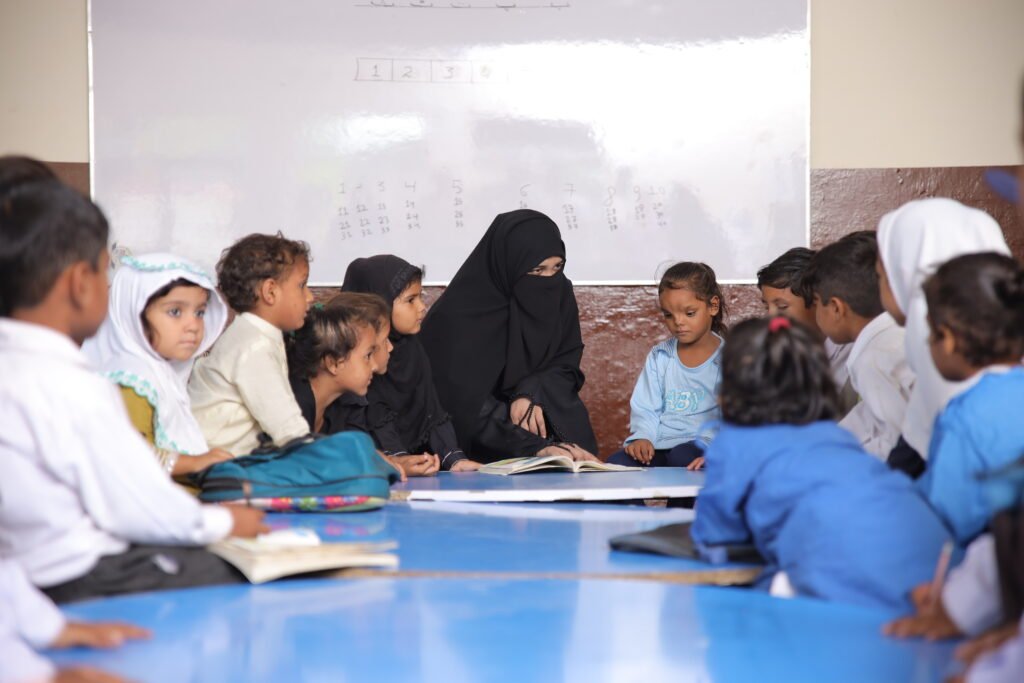
This study explores the experiences of children with disabilities in Khyber Pakhtunkhwa and Sindh. Primary and junior secondary schools will be chosen and children will be sampled to include those with sensory impairment (vision and hearing), physical impairment, intellectual impairment, learning disability and development disorders. Their experiences of teaching methods and learning materials, physical and […]
Digital Evolution in Teacher Development: Analysis of Punjab’s Continuous Professional Development (CPD) System
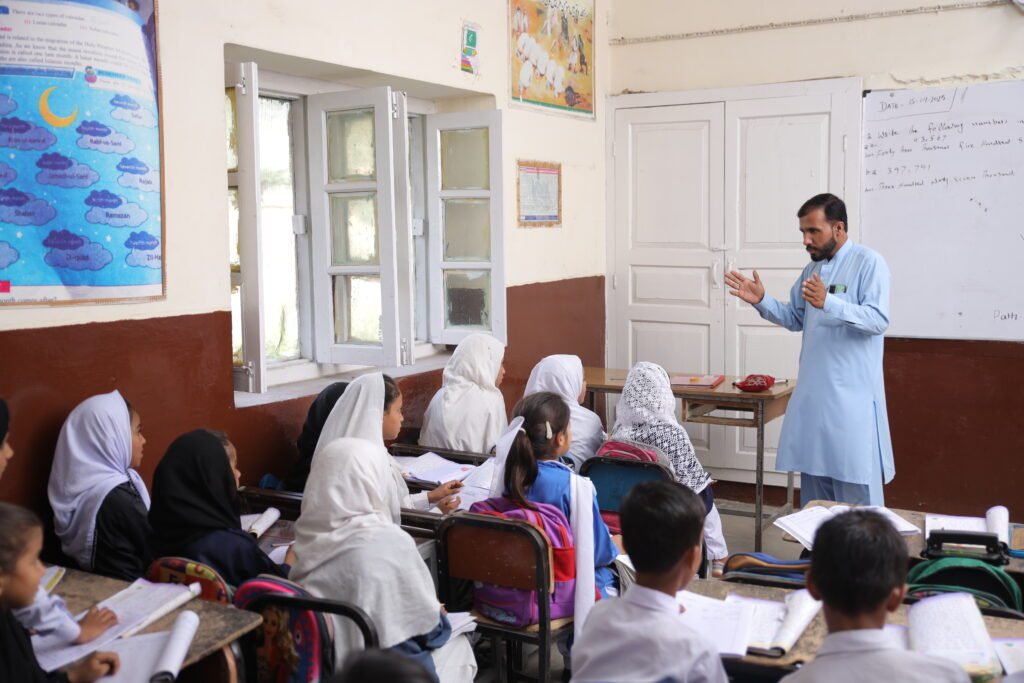
This mixed-methods study aims to critically examine the evidence gaps, institutional capacity constraints, and the gendered digital divide that shape the flow of information among stakeholders involved in the implementation of Continuous Professional Development (CPD), with particular emphasis on the Classroom Observation Tool (COT) initiative in Punjab since 2021. By exploring how data is generated, […]
Science and Mathematics Instruction and Learning Outcomes (SMILO) in Pakistan
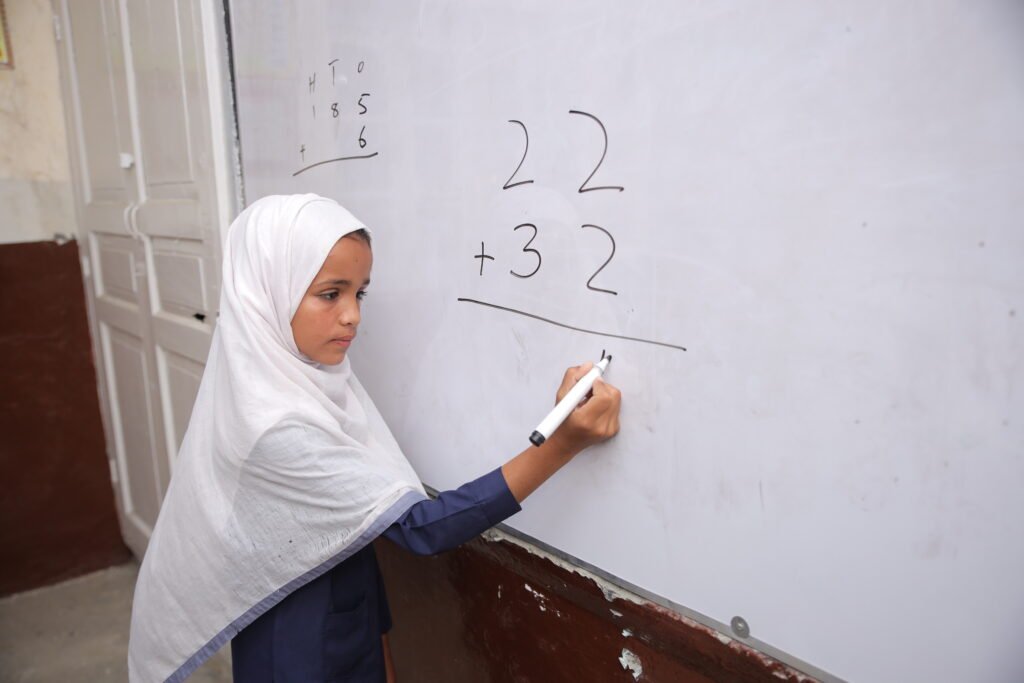
This research investigates the variation and causes of low student performance and weak pedagogical practices, focusing on teaching effectiveness of science and mathematics in Pakistan. Using a mixed methods approach, the study examines how pedagogical practices mediate relationships between relevant factors and student learning outcomes. The findings can inform teacher capacity development policies and guide […]
Researching the effectiveness of Public-Private Partnerships (PPPs) in the Education Sector in Pakistan
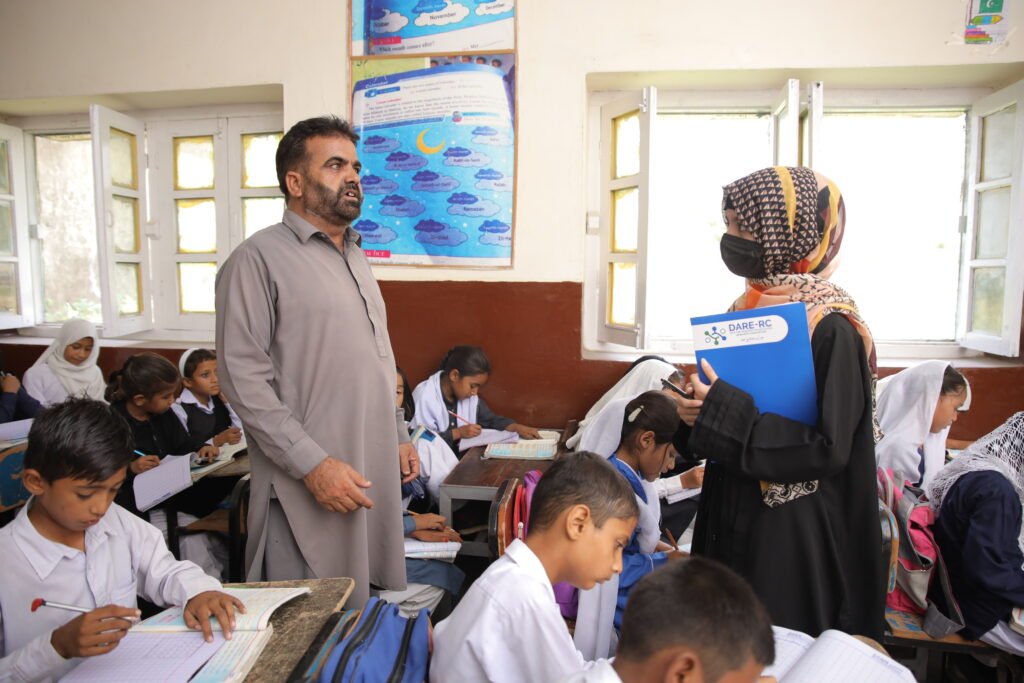
This mixed methods research investigates the efficacy (equity and cost effectiveness) of various PPP models of education delivery in comparison to public and private schools within the context of Sindh and Punjab. The purpose is to examine whether the PPP schools improve access to (enrolment, attendance, and completion) and quality of education (students’ academic learning […]
Exploring Lived Educational and Social Experiences of Children from Religious Minority Backgrounds in Pakistan
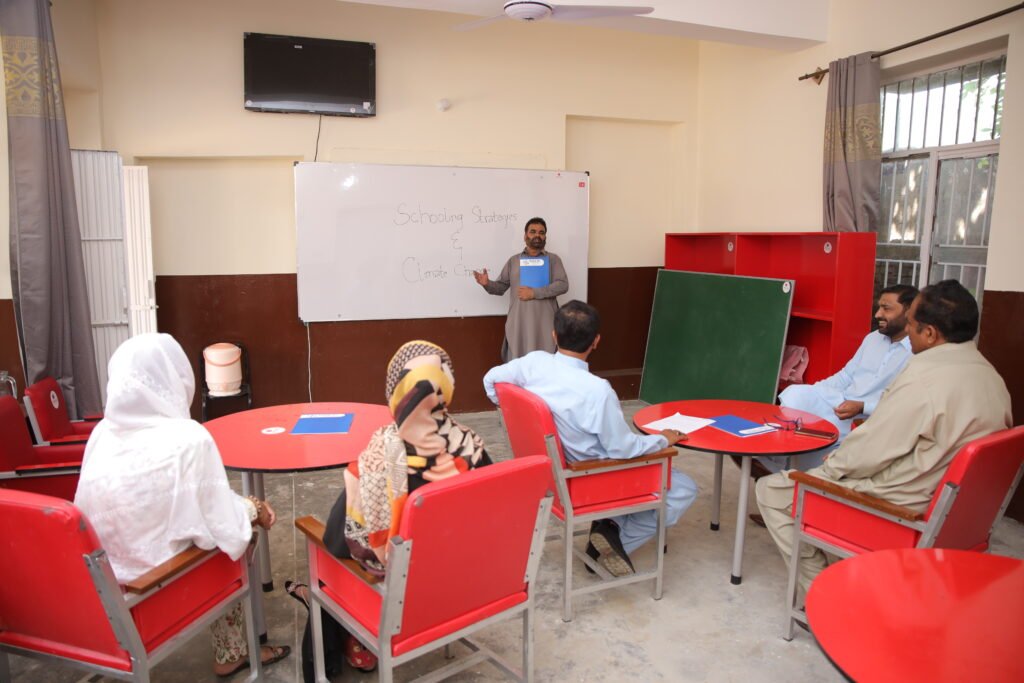
This qualitative research with its focus on Pakistani children from religious minorities addresses critical gaps in the understanding of human experience of groups living at the uncomfortable nexus of nationalism and religion. The study aims to get a deeper appreciation of the opportunities, challenges and gaze faced by the children from minority religions traditions, to […]