
This blog series is based on a DARE-RC research project based in Khyber Pakhtunkhwa and Islamabad Capital Territory.
Global Shifts in Education and the Move Toward Student-Centred Learning
Education has long been a global and national priority, increasingly viewed not only as a tool for individual advancement but also as a means of fostering democratic participation, social justice, and equity. The global shift toward student-centred learning can be traced to influential ideas such as John Dewey’s (1931) vision of education as a democratic practice and Paulo Freire’s (1972) advocacy for critical pedagogy. These ideas emphasised learner agency and participation, laying the foundation for approaches that foreground the learner.
Over recent decades, student-centred pedagogy has been visible across education systems worldwide. More recently, however, this shift has been embedded in a wider process of global policy alignment. Commitments made by international organisations such as United Nations Educational, Scientific and Cultural Organization (UNESCO) and the Organisation for Economic Co-operation and Development (OECD), through initiatives like Education 2030 and The Future of Education and Skills 2030, have placed equity, inclusion, and learner agency at the core of education policy.
The Rise of Measurement and Evidence in Education
Alongside these global commitments, there has been a strong emphasis on evidence in education policy and practice. Ensuring equal access to quality education, both within and across countries, has required the development of measurement systems. These allow for tracking progress, setting benchmarks, and holding systems accountable.
Yet, critics argue that this emphasis often creates pressure on educational institutions to conform to a neoliberal logic of quantifiable outcomes. As a result, aspects of education that are less tangible, such as creativity, critical thinking, or social engagement, may be undervalued or overlooked. Within this complex landscape, marked by global commitments, measurement-driven accountability, and neoliberal pressures, the shift to truly student-centred education becomes both essential and deeply challenging.
Contexts of the Global South: Postcoloniality and Vulnerability
The situation becomes even more complex in the Global South, where many education systems operate within precarious contexts shaped by postcolonial legacies, environmental risks, and political instability. Education systems often face repeated disruptions, for example caused by conflict, or pandemics like COVID-19, requiring constant rebuilding. In many cases, practices such as rote learning, closely tied to colonial histories, have persisted, reinforced by structural vulnerabilities.
Nonetheless, through participation in global education dialogues and policy frameworks, countries in the Global South are engaging in meaningful reforms. In Pakistan, this has taken the form of experimenting with Student Learning Outcomes (SLO) based education. Unlike some countries where SLOs form a comprehensive national strategy, in Pakistan implementation has been uneven and selective. Khyber Pakhtunkhwa (KP) and Islamabad Capital Territory (ICT) are two regions where this shift has been most visible, which is why they form the focus of this study.
Pakistan and the Shift Toward SLO-Based Education
Since 2006, Pakistan has attempted to introduce Student Learning Outcomes as part of national efforts to improve the quality of education. SLOs define what students should know and be able to do at each stage of schooling. These goals have appeared sporadically in curriculum frameworks, policy documents, and assessment systems, particularly at the higher secondary level.
Much of the reform effort has focused on revising curricula and examinations. However, far less attention has been paid to supporting teachers in applying SLOs in their classrooms. Teachers are expected to alter both pedagogy and assessment practices, but many receive limited training or institutional support. As a result, significant gaps remain between the theoretical ambitions of learning outcomes-based education, as reflected in policy goals and curriculum documents, and the realities of everyday teaching practice.
The Study: From Policy to Practice
This project, From Policy to Practice: Understanding Teachers’ Experiences with SLO-Based Education, examines how SLO reforms have been introduced and practiced in KP and ICT. The study follows the journey of SLO policy from national planning to classroom practice, with a focus on teachers’ lived experiences.
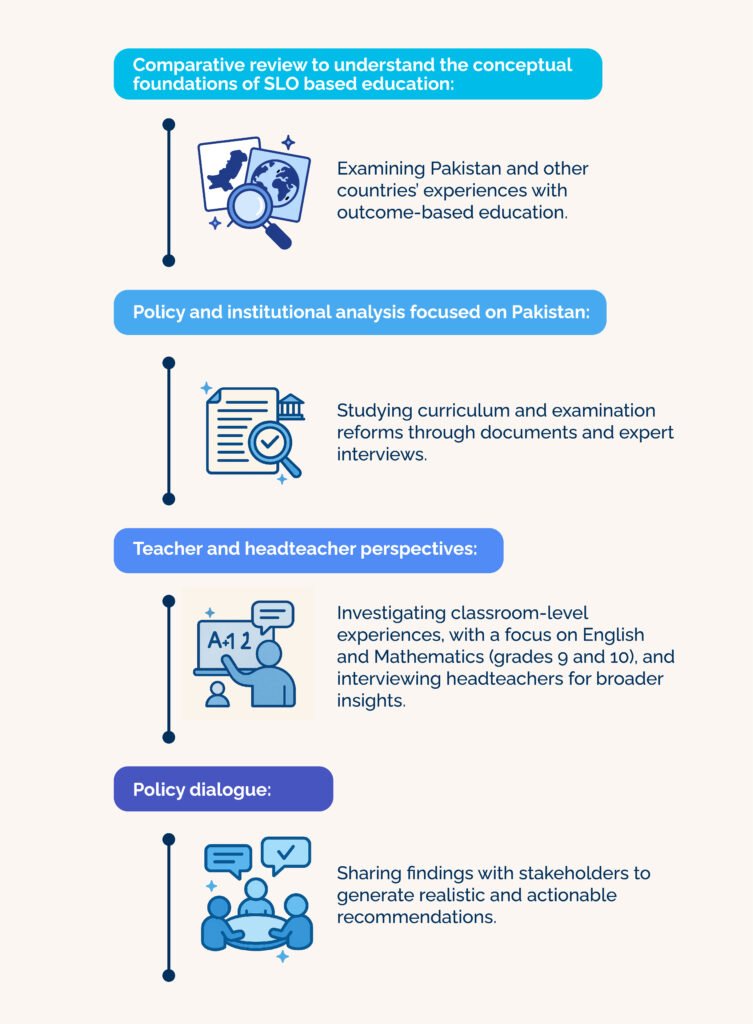
The research is organised into four phases:
- Comparative review to understand the conceptual foundations of SLO based education: Examining Pakistan and other countries’ experiences with outcome-based education.
- Policy and institutional analysis focused on Pakistan: Studying curriculum and examination reforms through documents and expert interviews.
- Teacher and headteacher perspectives: Investigating classroom-level experiences, with a focus on English and Mathematics (grades 9 and 10), and interviewing headteachers for broader insights.
- Policy dialogue: Sharing findings with stakeholders to generate realistic and actionable recommendations.
By centring teachers’ perspectives, this study aims to highlight how reforms are experienced in practice and to identify where support is most urgently needed. The findings are intended to guide policymakers, curriculum designers, and education officials in making SLO-based reforms more effective and relevant.
Series of Blogs on SLOs in Pakistan
This blog marks the start of a series authored by the study’s Senior Research Fellows who introduce different perspectives on SLO-based education in Pakistan. Each contribution focuses on a distinct angle of the reform process:
- Dr Muhammad Ilyas Khan,“SLOs-Based Education in Pakistan: A Shift Without a Paradigm Shift”, explores the tensions between the theoretical and practical aspects of SLO reforms.
- Dr Ahsan Ur Rehman, “The Role of Primary Education in Outcome-Based Education in Khyber Pakhtunkhwa”, provides institutional and expert perspectives, drawing on the experiences of education professionals in assessment, teacher training, and exam boards.
- Dr Munir Ahmad, “Shifting Mindsets: Experiences with SLO-Based Education”, highlights everyday challenges from the perspective of school headteachers.
- Dr Uzma Dayan, “Implementing SLO-Based Education: Insights from English Language Teachers in Pakistan”, offers reflections based on informal conversations with secondary school English teachers.
Led by Principal Investigators Dr Aliya Khalid, Dr Hafiz Muhammad Inamullah and research team lead Dr Hameedah Sayani, the project team aims to spark an ongoing conversation on the potential of SLO-based education in Pakistan, exploring its promises, challenges, and possibilities for adaptation through policy and practice.
Authors: By Aliya Khalid (aliya.khalid@education.ox.ac.uk), Hafiz Muhammad Inamullah and Hameedah Sayani
SLOs-Based Education in Pakistan: A Shift without a Paradigm Shift
By Professor Dr Muhammad Ilyas Khan
With the introduction of the concept of SLOs-Based education, or SLOs-Based assessment, there seems to have been a significant re-orientation of the school education system in Pakistan. Many consider this as a paradigm shift in the education of the country. The focus seems to have shifted away from ‘syllabus’ or ‘chapters to be covered’ to SLOs or Student Learning Outcomes to be achieved by the learners. On paper this has changed the focus from the ‘teacher’s teaching’ to the ‘learner’s learning’. In practice, however, the ‘shift’ seems more on paper and in documents, than in the real world of the student and the teacher, and the educational institutions. The origins of SLOs-Based education can be traced back to the idea of Outcomes-Based Education (OBE).
Origin of Outcomes-Based Education (OBE)
The idea of OBE has been associated with the works of educational thinkers including John Carroll (1963, 1989), Benjamin Bloom (1968), and Willaim Spady (1994), who reshaped the way the world thought about learning and teaching. Carroll argued that all students can learn given enough time and the suitable conditions. Bloom developed the ‘mastery learning’ approach, suggesting that education should aim at achieving deeper understanding, rather than rushing through a syllabus. In the 1990s, William Spady systematised OBE, focusing the process of education on what learners should be able to do at the end of their educational experiences and then designing the system backwards from those outcomes.
These OBE ideas were paradigmatic in the sense that they aimed at a shift in the focus from teaching to learning. Teachers were now expected to ensure that students could demonstrate knowledge, understanding, and application of knowledge, and its possible transfer it to new contexts. The ultimate promise of OBE was equity: no child left behind simply because they learned at a different speed or in different ways than others.
OBE in Pakistan’s Context: A Shift Without a Paradigm Shift?
There has been an attempt in Pakistan during the previous two decades to echo this global wave of a radical shift in the focus and practice of education. The Curriculum 2006 reflected a significant attempt at introducing learning outcomes-based concepts in education. The Single National Curriculum (SNC) 2020 pushed SLOs further to the centre of discussion. The curriculum emphasised the introduction of detailed SLOs.
The main aim of the SLOs based curricula and assessment indicatives was to ensure authentic learning and assessment in educational institutions. However, like other education policy reforms in the context of Pakistan, the SLOs-based educational and assessment ideals seem to have a diluted version in practice. For instance, the focus of pedagogical practices still revolves around textbooks teaching, coverage of syllabi, and preparation of students for achieving higher grades in exams. Without proper orientations and professional development programmes, teachers might copy SLOs into lesson plans like bureaucratic checklists without real thought about how they will be taught or assessed.
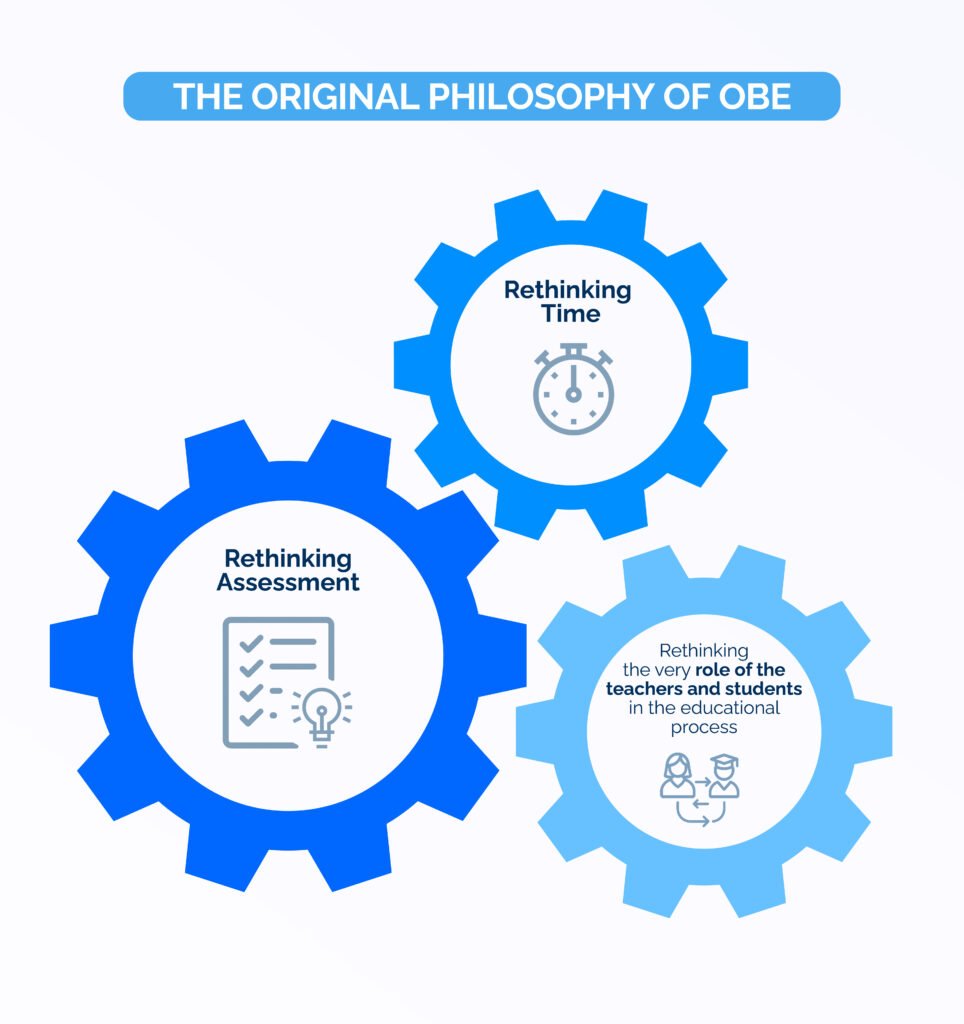
This is what could be termed as a ‘shift’ without a ‘paradigm shift’. The original philosophy of OBE is about rethinking assessment, rethinking time, and rethinking the very role of the teachers and students in the educational process. For instance, the role of teaching as envisioned in the OBE philosophy has not been radically transformed from ‘delivery of content’ to ‘facilitation of learning’.
Challenges
OBE faces several challenges in the Pakistani context when it comes to its practical implementation. Assessment practices for instance still focus on grades, marks, and rote-learning rather than on real understanding or mastery of concepts. Teachers who are the drivers of any substantial change in an education system have not been adequately prepared for this change.
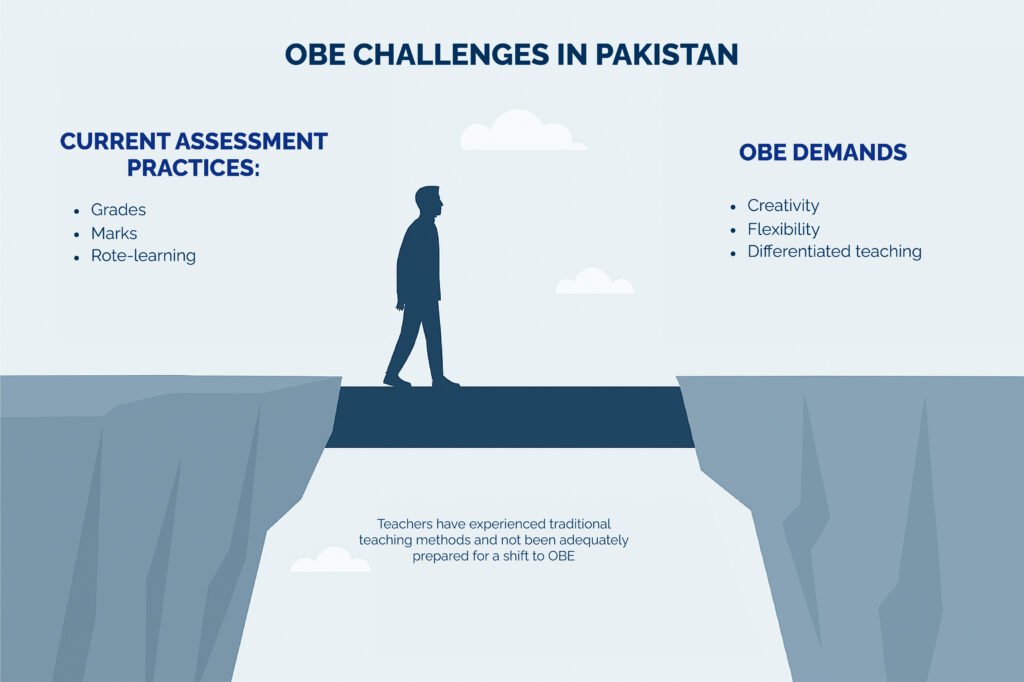
OBE demands creativity, flexibility, and differentiated teaching. But most teachers have only ever experienced traditional methods themselves, so expecting them to implement a sophisticated new philosophy overnight seems unrealistic. Creativity in this context refers to designing and implementing innovative learning experiences that enable students to demonstrate clearly defined outcomes through diverse activities and assessment methods. Flexibility is generally a teacher’s ability to adjust teaching pace, teaching strategies, and assessment approaches in line with individual learner needs. Differentiated teaching helps teachers in tailoring their instruction to the diverse needs, abilities, and learning styles of students. Traditional teaching methods, on the other hand, are often teacher centred, focus on content delivery, and structure. In traditional teaching, for instance, in a mathematics class, each student might be required to complete the same exercises and take the same test on fractions at the end of the week, regardless of whether they have developed a conceptual understanding. In an OBE the lesson may begin with a specification of measurable outcomes such as ‘students will be able to represent and compare fractions using visual models’. Such lessons may employ a variety of instructional methods, pacing, and assessments to ensure each learner reaches mastery.
While the philosophical underpinnings of OBE are compelling, its implementation poses significant challenges, particularly in developing education systems. Successful OBE implementation needs well-prepared teachers who can design outcome-aligned curricula, employ formative assessment strategies, and make use of differentiated instruction effectively. Many teachers in resource-limited contexts lack both the pedagogical training and institutional support needed to enact such complex reforms (Jansen, 1998). Large class sizes, rigid timetables, inadequate learning materials, and exam-driven accountability systems further constrain the flexibility and learner-centred focus that OBE demands.
What then is needed to incorporate the concepts of OBE and SLOs, in letter and spirit? To do so there is need for systematic professional development initiatives for teachers, and educational leaders. The proponents of OBE believed in a powerful, learner-centred vision of education. If Pakistan really wants to move from traditional to outcomes-based education, there is need for a paradigm shift in the aims, process, assessment, and outcomes of education.
Author: Dr Muhammad Ilyas Khan (Professor, Department of Education, Hazara University, Pakistan, drmuhammadilyaskhan7@gmail.com)
Learn more about Outcome-based Education and SLO-based Education from Professor Dr Muhammad Ilyas Khan.
The Role of Primary Education in Outcome-Based Education in Khyber Pakhtunkhwa
By Dr Ahsan Ur Rehman
In the complex historical and political landscapes of Khyber Pakhtunkhwa (KP), Pakistan, education is often regarded as a source of opportunity. Although this project focuses on Student Learning Outcomes (SLOs), in order to explore how learning can be “measured” in a way that demonstrates conceptual understanding, the first question must address the pedagogy that underpins this concept, namely Outcome-Based Education (OBE). OBE is an approach that emphasises measurable learning outcomes over rote memorisation and has been gradually gaining importance in the context of Khyber Pakhtunkhwa, Pakistan. This blog examines the importance of strong primary schooling as the basis for implementing OBE.
Primary education, typically spanning ages 5 to 10, forms the foundation of any educational system. In Khyber Pakhtunkhwa, where literacy rates remain around 55% (with notable gender disparities), investment in primary education is not only beneficial but necessary. OBE shifts the emphasis from teacher-centred instruction to student-centred outcomes such as critical thinking, problem-solving, and life skills. Without a sound primary base, achieving these outcomes remains unlikely.
Research highlights how OBE supports critical thinking at the university level. However, this benefit is only realised if primary education provides the necessary skills early on. In KP, primary schools often contend with outdated curricula and limited resources, as highlighted in studies examining the relationship between budget allocations and learning outcomes. These studies indicate that sufficient funding and effective expenditure correlate directly with improved student performance, underscoring that reform at the primary level is essential for the success of OBE.
Consider the case of a child in Peshawar or Swat entering school without foundational literacy or numeracy. OBE requires students to demonstrate specific competencies, such as applying mathematics to practical contexts or working collaboratively. If primary education does not establish these basics, subsequent educational levels become significantly more challenging.
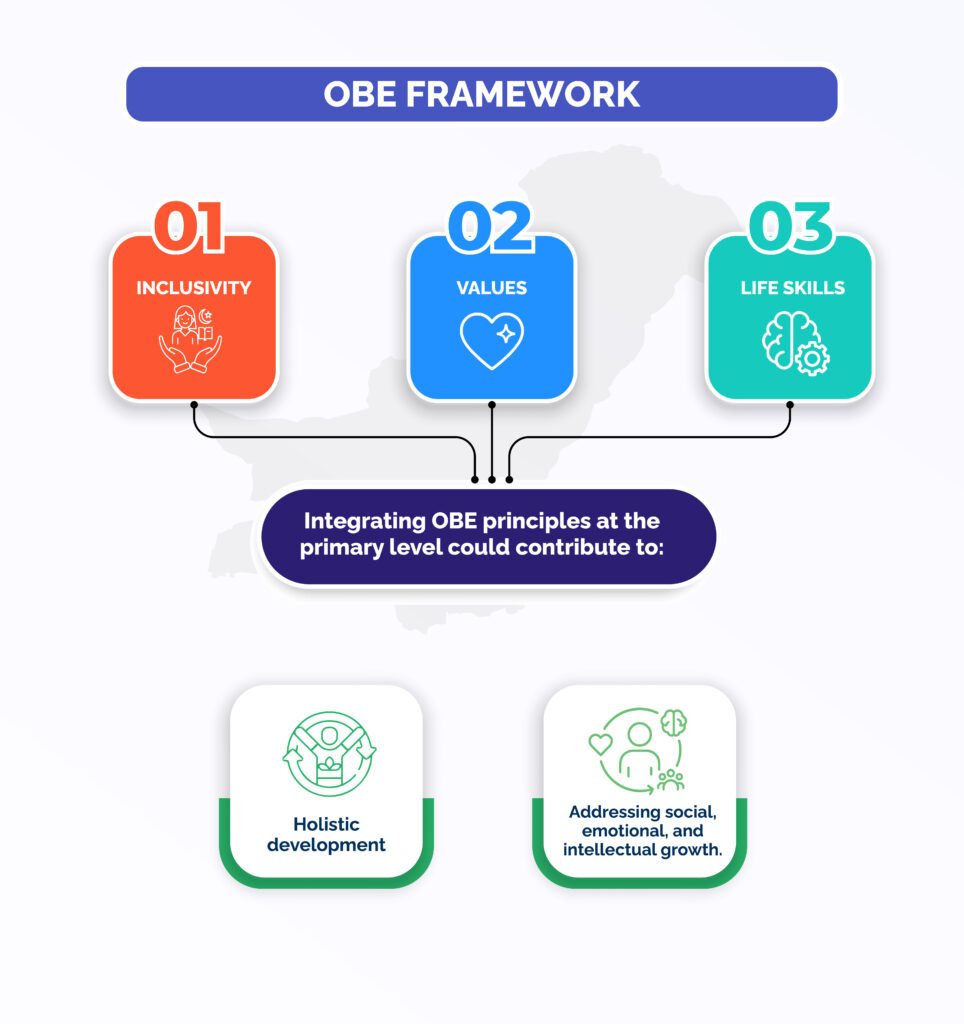
KP also faces structural barriers, including conflict-affected areas, cultural constraints on girls’ education, and teacher shortages. In this context, OBE offers a framework that emphasises inclusivity, values, and life skills, as reflected in Pakistan’s national curriculum reforms. Integrating OBE principles at the primary level could contribute to holistic development, addressing social, emotional, and intellectual growth.
Teachers’ perspectives are critical in this process. Empirical studies have shown that educators in KP are open to reforms aligned with OBE, particularly those involving updated teaching practices and curriculum design. By focusing on outcomes such as creativity and resilience, primary education can support children in underserved areas, lower dropout rates, and encourage sustained learning.
The measurable structure of OBE also allows for improved accountability. Accountability, for example, in terms of that to what extend effective teaching has been done, to what extend leaner has achieved the curriculum objectives. All the relevant data can be obtained through teacher-made and standardised tests and assessment. In KP, where primary enrolment rates are rising but quality indicators lag, tracking outcomes can help ensure resources are used effectively. This may facilitate targeted interventions, including teacher training and community engagement, which in turn could contribute to improved educational quality and equity.
The broader effects of strengthening primary education through OBE extend beyond individuals. It has implications for economic development, poverty reduction, and social stability in KP. By equipping students with relevant skills, education systems can help prepare future generations for challenges such as climate change and technological transformation.
In conclusion, primary education is not only the starting point but also the key determinant of OBE’s success in Khyber Pakhtunkhwa. Policymakers, educators, and communities need to prioritise reforms including increased budgets, teacher training in OBE methods, and equitable access. Evidence suggests that such investments yield long-term benefits in the form of skilled citizens and improved social outcomes.
Author: Dr Ahsan Ur Rehman (Assistant Professor, Sarhad University of Science and Information Technology, Peshawar
Shifting Mindsets: Experiences with SLO-Based Education
By Dr Syed Munir Ahmad
With over three decades of experience in teaching and teacher education, my engagement with schools, and with both prospective and in-service teachers, has consistently centred on bridging the theory–practice divide. This professional journey has been guided by a deep commitment to the cause of education and to achieving meaningful student learning outcomes. The same desire for self-appraisal and improvement that gravitated me from school teaching to university teaching also opened new social, academic, and professional vistas for collaboration with national and international institutions working across diverse areas of education.
In addition to my university role, I have been serving as the Principal of the University Public School, University of Peshawar, as its eleventh principal and the first proud alumnus to lead the institution since January 2, 2024. During this time, I have sought to strengthen the school, not only through its physical uplift but also through a sustained focus on academic and professional development. In my dual role as a teacher educator and school head, I regard Continuous Professional Development (CPD) of teachers as a cornerstone of school effectiveness, closely aligned with a steady paradigm shift from traditional teacher-centred teaching to more student-centred learning, aimed at the all-round development of students across all levels, both school and college.
Breaking the Textbook Habit
When I first asked my teachers to design lesson plans around Student Learning Outcomes (SLOs), the response was cautious. For years, they had worked within a system where teaching meant “covering the textbook” and assessment meant “testing recall.” Asking them to focus on what students could do with knowledge – rather than what they could memorise – was asking them to change deeply ingrained habits.
When Policies Meet the Classroom Wall
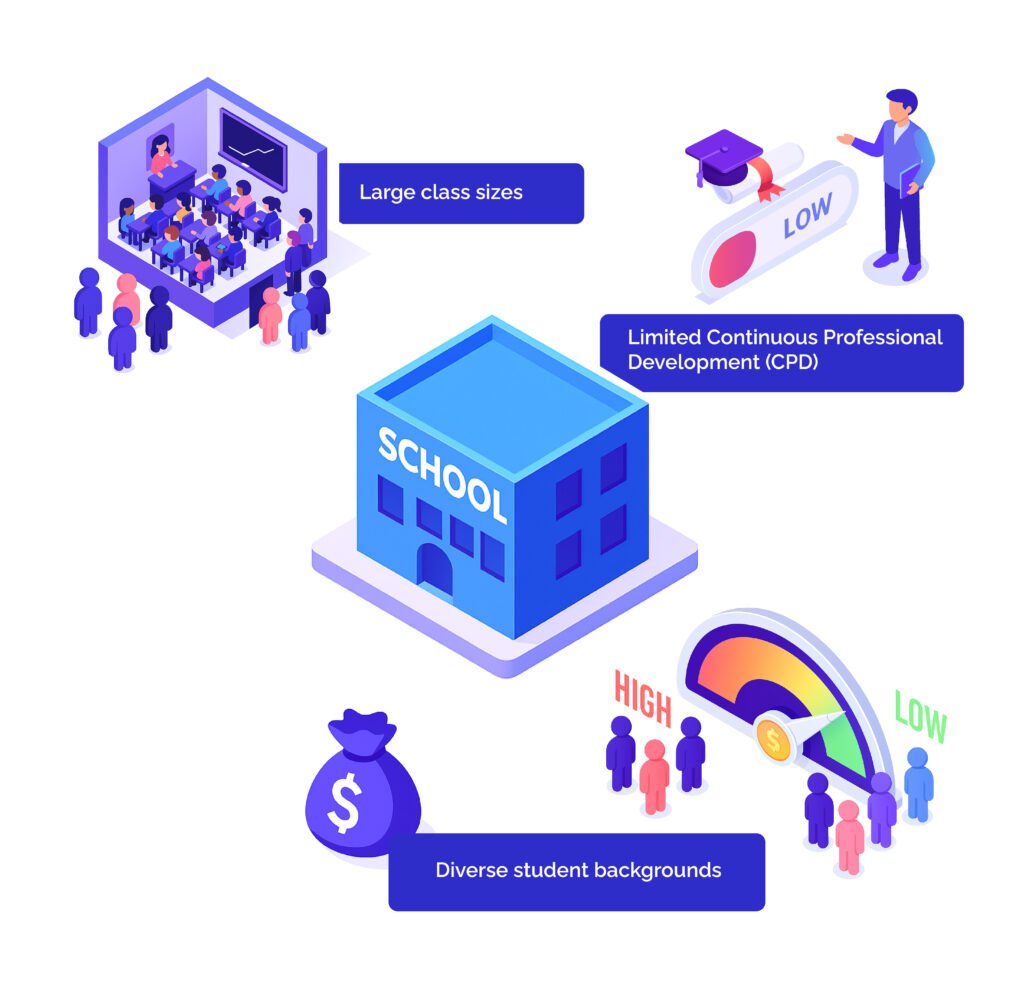
This is the reality of Pakistan’s shift to SLO-based education. Policies and frameworks look impressive, but inside classrooms, change is slow and challenging. Teachers are not unwilling, but they are conditioned by years of routine and constrained by systemic issues. Continuous Professional Development (CPD) remains limited, class sizes are large, and student backgrounds diverse – especially in public schools where children from low-income families study alongside others. In such contexts, simply telling teachers to “teach for outcomes” is not enough.
Small Steps, Big Shifts
What has helped? Conversations, peer sharing, and gradual guidance. Some teachers began experimenting with group activities, others with questioning techniques that go beyond recall. It is slow progress, but it matters. Students, too, need time. For them, a question that requires analysis rather than reproduction often feels like it is “out of course.” Helping them unlearn old ways of studying is part of the journey.
Unlearning Rote, Embracing Understanding
I am convinced that SLOs are the right direction. They force us to ask: what knowledge, skills, and attitudes should students develop to thrive in today’s world? But for this shift to work, teachers need more than policy mandates – they need resources, training, and encouragement. Policymakers must listen to their voices, and communities must recognise the complexity of classroom realities.
From Rote to Real Learning
In public schools, the change is ongoing. It may appear imperfect, sometimes frustrating, but also full of possibility. Each small step towards outcome-based teaching is a step away from rote memorisation and towards real learning. And in that journey lies the hope for a stronger, more thoughtful generation of learners.
Author: Dr Syed Munir Ahmad (Associate Professor, Institute of Education and Research, University of Peshawar)
Implementing SLO-Based Education: Insights from English Language Teachers in Pakistan
By Dr Uzma Dayan
The main purpose of Student Learning Outcomes (SLO) based teaching, and assessment is to foster creativity and discourage rote memorisation, enabling students to become critical and scientific thinkers rather than mere reproducers of information. This approach is pursued through core curricular subjects such as mathematics, science, languages, and social sciences. In contexts where English is taught and used both as a foreign language and as a medium of instruction, the shift from traditional practices to SLO-based education presents unique challenges. In such a situation, teachers and students face a dual task: learning English as a subject while simultaneously using it to study other disciplines for learning and examination purposes. This blog post explores the perceptions and experiences of English language teachers of SLO-based education in Pakistan. The Ministry of Education with The National Curriculum of Pakistan (2022) initiated this policy in two major regions; the Islamabad Capital Territory (ICT), the federal capital, and Peshawar, the capital of Khyber Pakhtunkhwa and one of its major cities across all school levels.
Policy Shift and Teachers’ Readiness
The reform aimed to discourage cramming and encourage students to demonstrate conceptual understanding in examinations. Under the new system, annual intermediate exams conducted by the Boards of Intermediate and Secondary Education follow a uniform SLO-based framework, with subject specialists designing papers to assess knowledge and skills rather than rote recall. As quality education depends highly upon quality training, for this policy to achieve its intended purpose, teachers, as key stakeholders and agents of change require proper pre-service and in-service training. SLO-based teaching in Pakistan emphasises clear, measurable outcomes, prioritising conceptual understanding, critical thinking, and problem-solving skills over memorisation. However, successful implementation depends not only on policy design but also on how teachers perceive, interpret, and act upon these reforms. As Ali (2006) notes, understanding the role of values, context, culture, and language in shaping learning and decision-making is essential, particularly given that resistance to change is often a natural response.
To explore these dynamics, a scoping exercise was conducted in Islamabad and Peshawar to listen to the perspectives of teachers. Informal interviews with 12 secondary school English language teachers provided valuable insights into the challenges and opportunities of implementing SLO-based pedagogy and assessment. Their reflections highlight both the promise of the policy and the pressing need for sustained professional development to support meaningful educational transformation.
Training Gaps Limiting Success
The conversations revealed significant gaps in the professional preparation and training of English language teachers in Khyber Pakhtunkhwa. A large proportion of teachers responsible for teaching English neither possessed a degree in English language or English Language Teaching (ELT), nor had they received any form of in-service training following the introduction of the Student Learning Outcomes (SLO)-based education system. For instance, one respondent who held a degree in Business Studies and had previously worked for nine years in the banking sector was found teaching English to students of Grades 9 and 10. She described her experience as highly challenging, particularly in adapting to the SLO-based pedagogy. As she explained:
“I do not know how to teach students for exams in the light of SLO. Instead, I prepare them for exams based on old papers because I was never trained to frame objectives for a specific subject.”
These experiences point to a systemic issue in the recruitment and professional development of teachers. The recruitment policy in KP currently requires only a BS or Master’s degree and success in the National Testing System (NTS) examination for induction into high schools. Neither pre-service training nor teaching certification is mandatory. Newly appointed teachers are expected to undergo compulsory nine-month induction training. However, these trainings are conducted not by universities or specialised teacher education institutions but by subject specialists from colleges and schools.
One teacher described her induction training as overly general, with little to no focus on subject-specific pedagogy or the implementation of SLO-based teaching and assessment. Similarly, a senior teacher with over 23 years of experience in the system acknowledged that her academic qualification was not in English, but she had been assigned to teach Grade 10 English. She noted that both students and teachers faced difficulties in adapting to the SLO-based framework, particularly in the absence of refresher courses or in-service training. Although she worked hard to help her students understand the material, she admitted that the process was equally demanding for her as an educator.
Trained Teachers: Successful Implementation
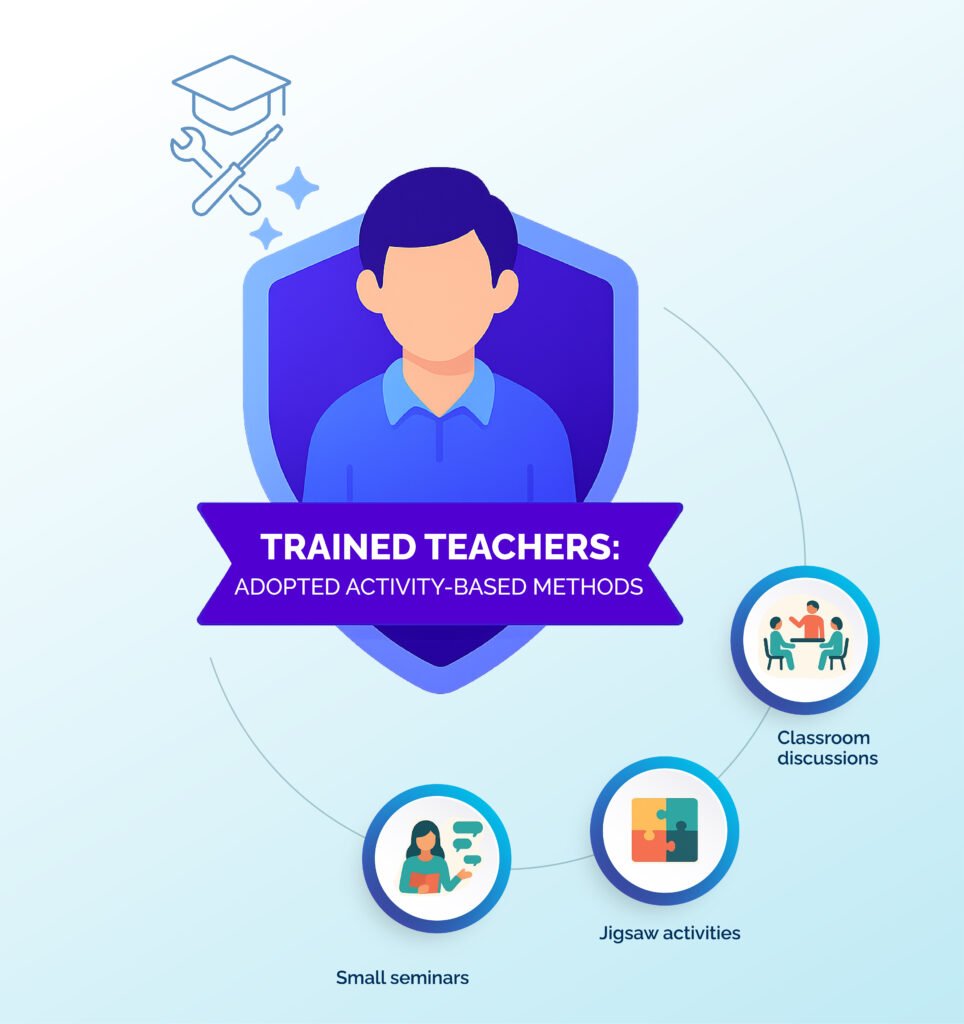
By contrast, teachers who had undergone pre-service training at university-affiliated teacher education institutes were found to adopt more modern and interactive pedagogical approaches. These included classroom discussions, small seminars, jigsaw activities, and other activity-based methods. Such teachers emphasised student engagement and communication in English. Nevertheless, they also faced challenges, such as students’ frequent code-switching to local languages, which hindered fluency. One teacher recommended the introduction of pre-academic English language classes to strengthen students’ linguistic foundation before they transition into mainstream English instruction.
Successful Policy Shift: Mandatory Pre-service and Refresher Training
Listening to and understanding the experiences of teachers led to three main understandings. Firstly, teachers without any training struggled the most with adapting to the SLO-based system, finding it equally difficult for themselves and their students. Secondly, senior teachers with outdated training and lack of refresher opportunities faced similar challenges due to limited exposure to new methodologies. Finally, teachers with formal pre-service training employed more effective and interactive practices, though they still encountered systemic barriers such as students’ weak English proficiency.
Across all three, teachers stressed the need for structured professional development. The study recommends making pre-service training mandatory, introducing regular subject-specific in-service programs, and offering refresher courses for mid-career and senior teachers. Recruitment reforms are also necessary to ensure that entry into teaching depends on subject-specific competencies aligned with SLOs. This scoping exercise demonstrates that without consistent training and support, teachers and students will continue to face difficulties in bridging the gap between policy and practice in English language teaching in Pakistan.
Author: Dr Uzma Dayan (Lecturer, Institute of Education and Research, University of Peshawar)
This blog series has been copy-edited by Maryam Beg Mirza (Assistant Consultant, Education, OPM) and quality assured by Dr Sahar Shah (Senior Research Manager, DARE-RC).